Namo Bharat's 136-km corridor is set to bring Karnal within 90 minutes of Delhi.
Enquire NowThe National Capital Region Transport Corporation (NCRTC) has moved the Delhi-Panipat-Karnal Namo Bharat corridor from paper to the ground. According to recent reports, the National Capital Region Transport Corporation (NCRTC) has initiated groundwork for the Delhi–Panipat–Karnal Namo Bharat corridor, marking the transition of the project from planning to early-stage execution. This is welcome news for homebuyers who have been watching this corridor for years, and it directly affects the growth story of towns like Sonipat, Gannaur, Samalkha, Panipat and Karnal.
Once operational, the 136-km Regional Rapid Transit System (RRTS) corridor will connect Sarai Kale Khan in Delhi to New ISBT Karnal in Haryana, linking key urban, industrial, and educational hubs across the region. On the ground, work has already started in two places at once. Detailed surveys are being carried out in Delhi to identify utilities falling within the proposed alignment, while in Haryana, preparatory work including the shifting of utilities has already been initiated, a senior NCRTC official said. A separate report on the Delhi stretch adds more detail: the tender covers the supply, installation, testing and commissioning, along with shifting and modification of low-tension electrical utilities, and the dismantling and relocation of streetlights that conflict with the proposed Namo Bharat alignment between Kashmiri Gate and Bhalswa, with utility relocation works undertaken along chainage 9,550 to 20,770. Further up the alignment, officials confirmed in October 2025 that the initial phase of groundwork has begun, focusing on utility diversion activities along a crucial 22-kilometer stretch between Narela and Murthal.
This corridor did not appear overnight. The move follows the announcement made in November 2025 by Union Minister for Housing and Urban Affairs, Manohar Lal Khattar, confirming that the Delhi–Panipat–Karnal RRTS corridor has received final approvals, with execution set to begin shortly. Karnal's inclusion in the alignment is itself a notable story — the revised project, which was earlier planned only up to Panipat, now extends to Karnal following the intervention of former Chief Minister and current Union Minister of Housing and Urban Affairs, Manohar Lal Khattar, after Karnal's inclusion in the National Capital Region (NCR). It places this line firmly in the company of the network's other flagship routes: the Delhi–Panipat–Karnal line is the third corridor under Phase-I of the RRTS network, following Delhi–Ghaziabad–Meerut (partially operational) and Delhi–Gurugram–SNB–Alwar (under development).
For daily commuters, the headline number is travel time. With RRTS in operation, the travel time between Sarai-Kale Khan in Delhi and Karnal in Haryana will be 90 minutes. Along the way, the corridor will serve key nodes including Kashmere Gate, Burari, Alipur, Kundli, Sonipat, Gannaur, Samalkha, Panipat, and further up to Karnal — a stretch of NH-44 that today is choked with traffic for large parts of the day.
Why should a homebuyer care about survey teams and utility tenders? Because infrastructure of this scale almost always moves ahead of price appreciation. Industry voices are already flagging the shift in buyer behaviour along RRTS corridors. As Knight Frank India's national director of research puts it, "Faster travel times to Delhi and other NCR centres are expected to reshape buyer preferences," with shorter commutes often outweighing higher property prices for many homebuyers, making projects along the corridor increasingly attractive. Closer to the alignment itself, industry experts see similar momentum building. Newstone's CEO Rajat Bokolia notes that this belt is backed by strong connectivity from the KMP Expressway, NH-44, UER-II, the upcoming Delhi Metro extension, and Delhi-Panipat RRTS, alongside institutions like O.P. Jindal and Ashoka Universities, a combination that is turning satellite towns into serious residential destinations in their own right.
Panipat, in particular, has been on developers' radar well before this groundwork began. National players have been acquiring land and launching plotted developments along NH-1 and NH-44 in anticipation of exactly this kind of connectivity push, betting that buyers will follow the tracks once construction visibly picks up pace. For homebuyers weighing an early entry into this belt, the current phase — surveys, utility shifting, and tendering — is typically the point in an infrastructure project's life cycle where land and plot prices are still reasonable, before the visible construction phase pushes valuations higher.
What happens next will matter more than what has happened so far. Additional utility and enabling-works tenders are expected to follow in the coming months, and full-scale civil construction — piling, viaducts, and stations — is the next major milestone to watch. Homebuyers tracking Panipat, Sonipat, or Karnal should keep an eye on station locations as they get finalised, since proximity to a confirmed Namo Bharat station, rather than just proximity to NH-44, is likely to be the real driver of long-term value along this corridor.
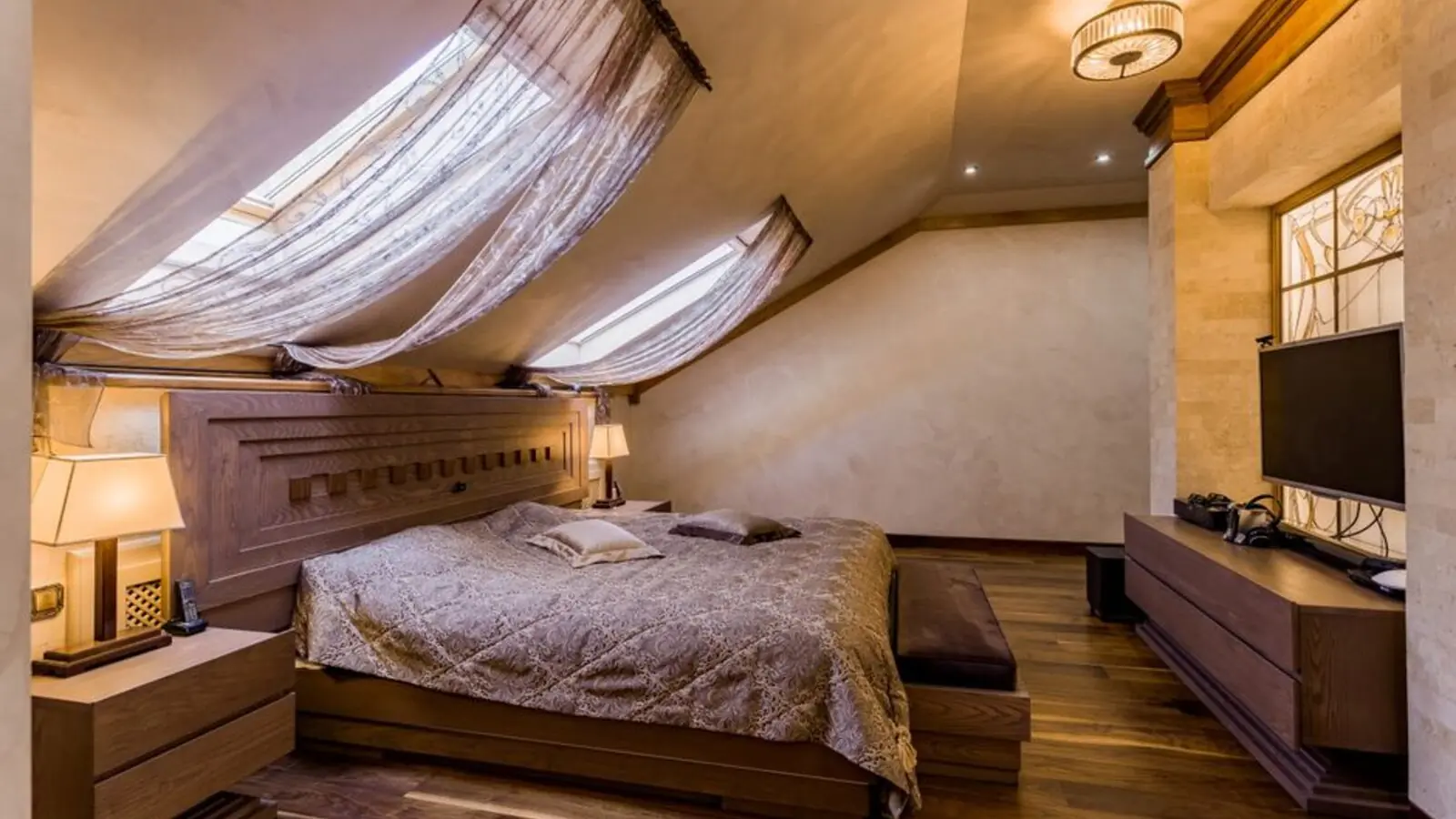
Mahadevapura, Bangalore
Grade A Office Spaces • Price on request
Large-format campus on Bangalore's ORR
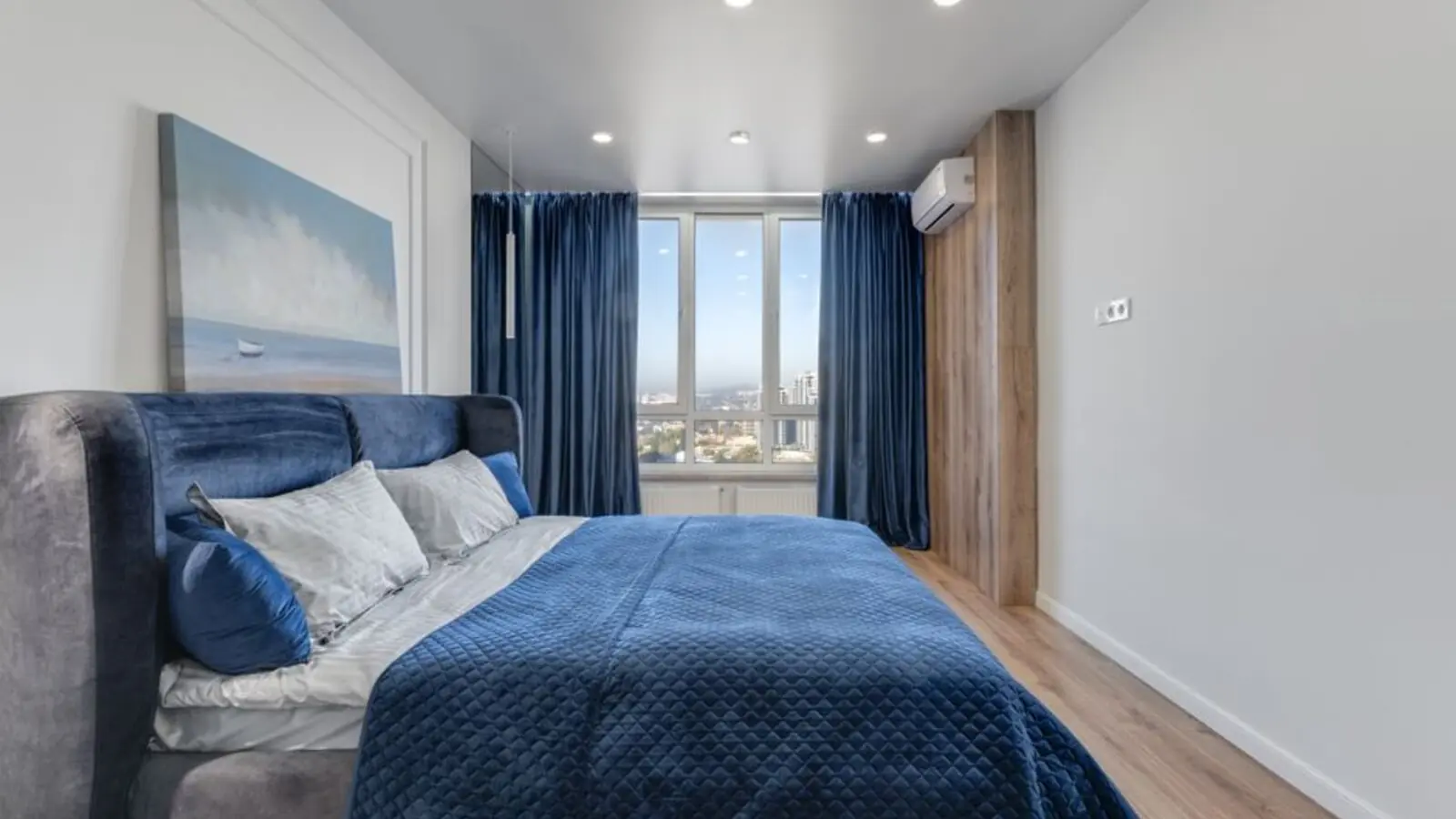
Manglia, AB Bypass Road, Indore
Plots, 3-4 BHK Villas • Rs 43.7 Lac onwards
192-acre integrated township
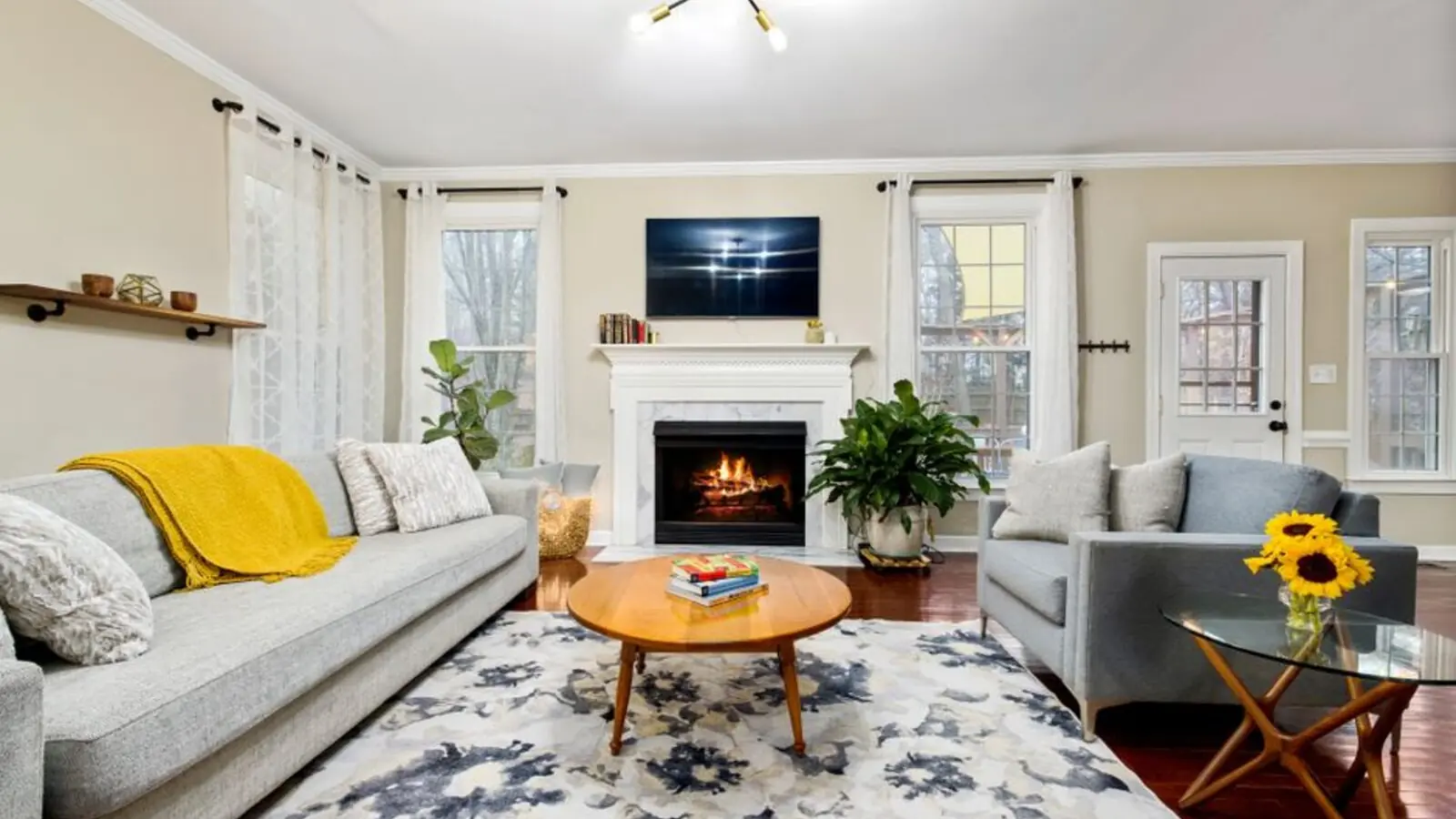
Sector 70A, Gurugram
2, 3, 4 BHK • Price on Request
Upcoming SPR corridor address
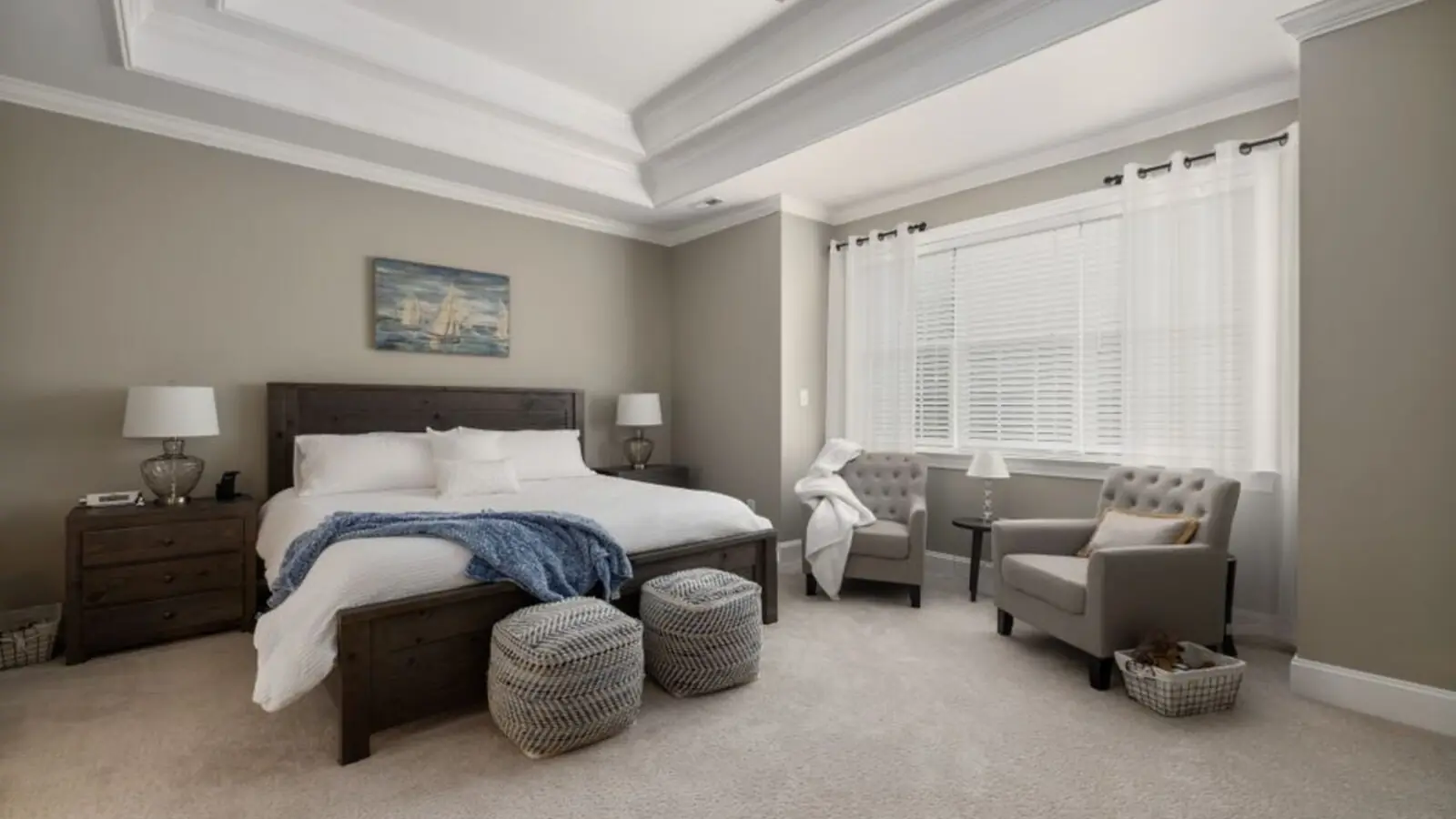
Sector 54, Gurugram
Retail Shops, Coworking Spaces • Price on Request
4.8 lakh sq ft retail & coworking plaza
Andheri West, Mumbai
3, 4 BHK • Price on Request
Next phase of DLF's sold-out Mumbai debut
Bandra Kurla Complex, Mumbai
3, 4 BHK + Retail/Office • Price on Request
Mixed-use address at BKC
Bidadi, Bangalore
2, 3, 4 BHK • Price on Request
Upcoming DLF homes on Mysore Road
Sector 42, Gurgaon
4, 5 BHK • Price on Request
Super-luxury successor to The Camellias
We'd love to hear from you. Fill in the form and our team will get back to you shortly.
Everything on this page is intended purely as a guide and creates no binding obligation. Details such as pricing, dimensions, and imagery can change without prior notice. Kindly cross-check all information before making a decision. About · Projects
Share your details and our expert will call you back.