From 22 colonies in 1946 to One Midtown today — DLF's home city keeps evolving.
Enquire NowDelhi holds a unique place in India's property story, and DLF's own history is woven into it. Established in 1946 by Chaudhary Raghvendra Singh, DLF embarked on its journey by creating 22 urban colonies in Delhi, long before it became synonymous with Gurugram's skyline. That legacy has come full circle with DLF One Midtown in Moti Nagar and the ultra-luxury DLF Emporio and Promenade malls in Vasant Kunj, proving the capital remains central to the brand's ambitions.
Today's Delhi market is a tale of contrasts — dense, land-locked micro-markets in South and Central Delhi command some of the highest per-square-foot rates in the country, while West and East Delhi offer relatively better value with strong connectivity. Much of the city's new supply comes from redevelopment of old industrial land and DDA colonies rather than greenfield expansion, which keeps well-located luxury projects like One Midtown in short supply and high demand.
Nationally, DLF has given sales guidance of Rs. 20,000 crore for FY27, broadly in line with FY26, as it is expected to launch 25 million sq. ft. in the medium term, with a sales potential of Rs. 60,215 crore, with launches planned across Gurugram, Mumbai and Goa alongside continued activity in Delhi. Delhi's luxury segment in particular continues to draw both end-users and NRI investors, with DLF reporting that realty major DLF has sold properties, mainly homes, worth Rs. 5,250 crore to non-resident Indians (NRIs) in the April-December period of this fiscal.
For homebuyers, Delhi offers something Gurugram and Noida cannot replicate: proximity to Lutyens' Delhi, established social infrastructure, top hospitals, and decades-old green cover such as the DDA parks that flank several DLF developments. This makes it a market driven less by speculative land bets and more by genuine lifestyle upgrades and legacy addresses.
Prices across Delhi vary sharply by zone, with South and Central Delhi commanding a premium over West, East and outer North Delhi.
Avg Price - Moti Nagar & Naraina Vihar (West Delhi)
Avg Price - Vasant Kunj (South Delhi)
Avg Price - Karol Bagh (Central Delhi)
Avg Price - Patparganj & Anand Vihar (East Delhi)
Avg Price - Rohini (North Delhi)
Avg Price - Greater Kailash (South Delhi)
DLF's Delhi footprint is concentrated in high-visibility, well-connected pockets that blend legacy prestige with modern redevelopment.
Home to DLF One Midtown and DLF Capital Greens, this West Delhi micro-market sits beside a 128-acre DDA greenbelt with three metro stations — Moti Nagar, Shadipur and Kirti Nagar — within walking distance.
An upmarket neighbourhood close to the airport and Gurgaon, home to DLF Emporio and DLF Promenade, two of India's most exclusive luxury retail addresses.
One of Delhi's most prestigious diplomatic enclaves, now home to DLF's ultra-luxury Malcha Marg residences with global retail brands integrated into the development.
A dense, well-connected Central Delhi market popular for its commercial energy and proximity to New Delhi Railway Station and Connaught Place.
Established West Delhi neighbourhoods known for furniture markets, metro connectivity, and steady residential demand from upgrading families.
Classic South Delhi addresses with independent floors and villas, prized for their central location and old-money character.
A planned sub-city in South West Delhi with wide roads, upcoming metro expansion, and relatively affordable premium sectors like 6, 12, 19 and 23.
Delhi's residential corridors are anchored by the Delhi Metro network, which now touches nearly every major locality — DLF One Midtown itself enjoys excellent connectivity via the Blue and Green Metro Lines, with Moti Nagar Metro Station less than 500 meters away, along with access to Ring Road and NH-44. This kind of last-mile metro access is increasingly the deciding factor for homebuyers choosing between legacy Delhi addresses and newer NCR suburbs. Beyond the metro, Delhi benefits from Indira Gandhi International Airport, the Outer Ring Road, and arterial roads connecting to Gurugram, Noida and highways toward Jaipur, Chandigarh and Agra. Ongoing urban regeneration in zones like Moti Nagar — where old industrial land is being redeveloped into residential and retail hubs — is reshaping West Delhi's skyline, while established South Delhi localities continue to benefit from decades of civic infrastructure, top hospitals, and premier schools.
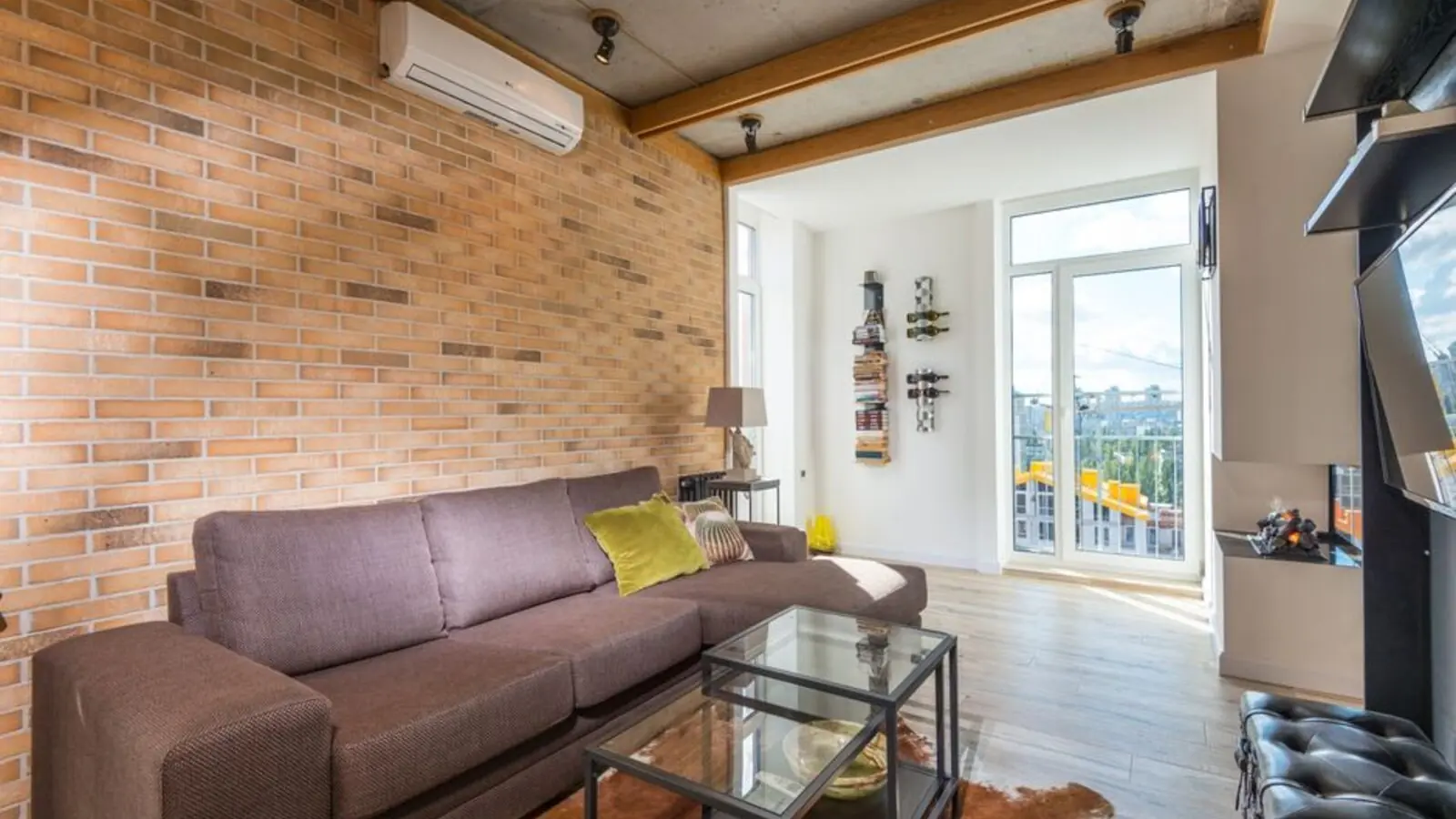
Chanakyapuri, New Delhi
2, 3, 4 BHK • Rs 40 Cr onwards
Diplomatic enclave living with global luxury brands
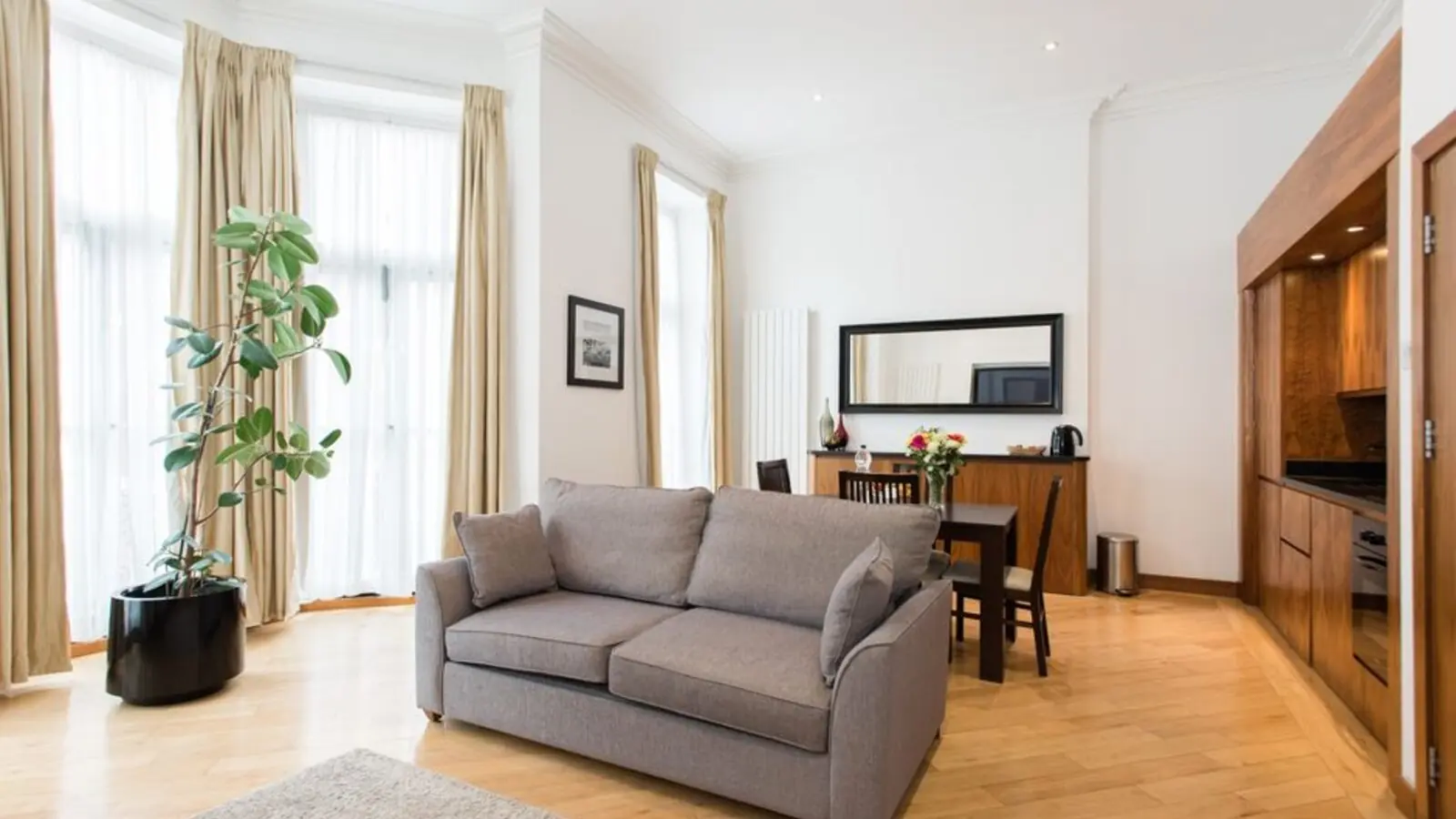
Rohini, New Delhi
Retail Shops, Food Court, Multiplex, Service Suites • Price on Request
Upcoming commercial hub in North Delhi
We'd love to hear from you. Fill in the form and our team will get back to you shortly.
Everything on this page is intended purely as a guide and creates no binding obligation. Details such as pricing, dimensions, and imagery can change without prior notice. Kindly cross-check all information before making a decision. About · Projects
Share your details and our expert will call you back.