Iconic addresses, world-class design, and a legacy of trust in the capital.
Enquire NowNew Delhi's residential market has entered a phase of relative stability after years of rapid escalation, with income growth finally catching up to property prices in 2026. According to the CBRE India Residential Market Outlook, after years of sharp price escalation that stretched homebuyers' budgets, the Delhi-NCR residential market is entering a phase of relative stability in 2026, with incomes finally catching up to property prices.
Demand across the capital remains firmly anchored by limited land supply, established social infrastructure, and a preference for well-known developer names in premium micro-markets. Localities such as Greater Kailash, Vasant Kunj, Saket, and the redeveloped West Delhi corridors around Moti Nagar continue to see steady end-user and investor interest, supported by strong rental yields and long-term capital appreciation. Analysts note that Gurgaon (Golf Course Road and GCER) has seen appreciation of 35–55% over three years, one of India's strongest residential market performances, but Delhi's established zones have delivered stronger absolute value retention at the high end.
DLF's presence in the city spans redevelopment-led luxury towers, integrated retail-residential precincts, and boutique ultra-luxury addresses in South and Central Delhi. Projects like DLF Midtown Plaza in Moti Nagar and the DLF Capital Greens cluster reflect the shift of premium residential demand into inner-city, metro-connected locations, while addresses in Chanakyapuri and Greater Kailash cater to buyers seeking legacy, low-density living.
Going forward, analysts project continued 8–12% appreciation in Delhi's established zones for 2027, driven by infrastructure commissioning events such as metro extensions and the Jewar Airport progress, and sustained corporate demand. This makes New Delhi a market where both immediate lifestyle upgrades and long-term wealth preservation goals are well served by branded developments.
Property prices in New Delhi vary sharply by zone, with South and Central Delhi commanding a significant premium over West, East, and outer Delhi localities. Redevelopment corridors like Moti Nagar have seen values rise steadily on the back of new metro-linked, branded supply.
Avg Price - Saket, South Delhi
Avg Price - Greater Kailash
Avg Price - Vasant Kunj
Avg Price - Dwarka
Avg Price - Rohini
Avg Price - Premium Corridors
From redeveloped West Delhi neighbourhoods to legacy South and Central Delhi addresses, these localities represent some of the capital's most sought-after residential zones.
A rapidly redeveloping West Delhi hub known for new-age high-rise towers and integrated retail, with strong metro connectivity to Central Delhi.
One of Delhi's most prestigious diplomatic enclaves, known for low-density living, wide green avenues, and ultra-luxury residences.
An established South Delhi neighbourhood with premium builder floors, boutique high-street shopping, and strong rental demand.
A leafy South Delhi locality favoured by diplomats and executives, offering proximity to the airport and premium malls.
A well-planned South Delhi locality with strong social infrastructure, top hospitals, and premium retail destinations nearby.
A large, self-contained sub-city in South-West Delhi with wide roads, metro access, and proximity to the international airport.
A well-established North-West Delhi residential zone offering relatively affordable pricing with good civic infrastructure.
New Delhi's transit backbone continues to expand rapidly. The Union Cabinet has approved three new corridors under Delhi Metro's Phase 5(A) worth around ₹12,015 crore, connecting R.K. Ashram Marg to Indraprastha, Aerocity to Airport Terminal-1, and Tughlakabad to Kalindi Kunj, which will push the network past 400 kilometres. Delhi Metro's Phase 4 Golden Line, running under the Aerocity-Tughlakabad corridor, has already achieved a key tunnelling milestone at Vasant Kunj, further boosting connectivity for South Delhi residents. Regional rail is also transforming access beyond the city. The Delhi-Meerut Namo Bharat RRTS corridor, India's first operational rapid rail line, connects Sarai Kale Khan in Delhi with Modipuram in Uttar Pradesh across an 82.15-km stretch. A new Delhi-Jewar Airport RRTS corridor has now received Uttar Pradesh cabinet approval, with trains capable of speeds up to 180 kmph expected to cut travel time to the upcoming Noida International Airport to nearly 21 minutes once completed, further strengthening New Delhi's position as the connectivity nucleus of the National Capital Region.
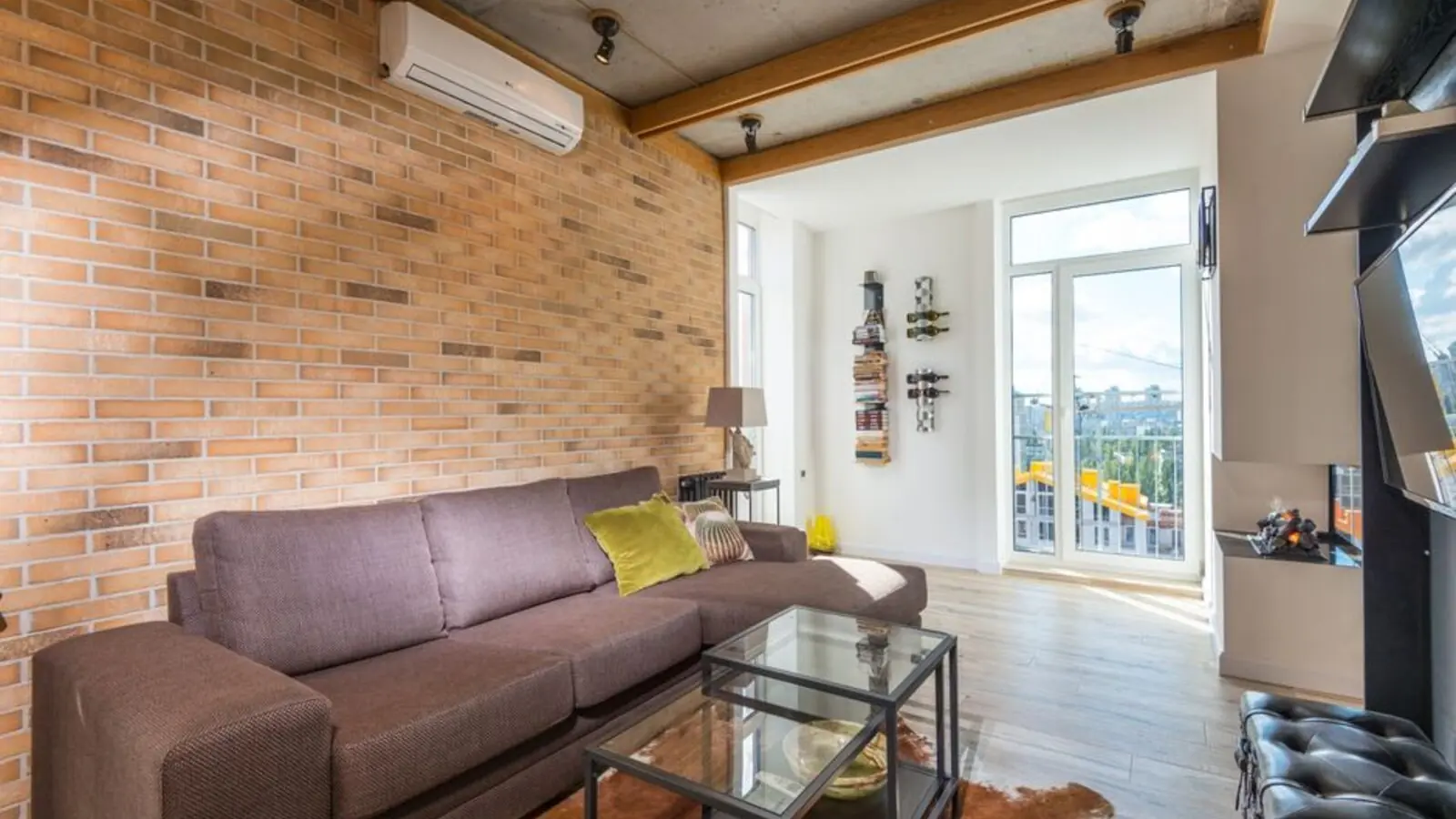
Chanakyapuri, New Delhi
2, 3, 4 BHK • Rs 40 Cr onwards
Diplomatic enclave living with global luxury brands
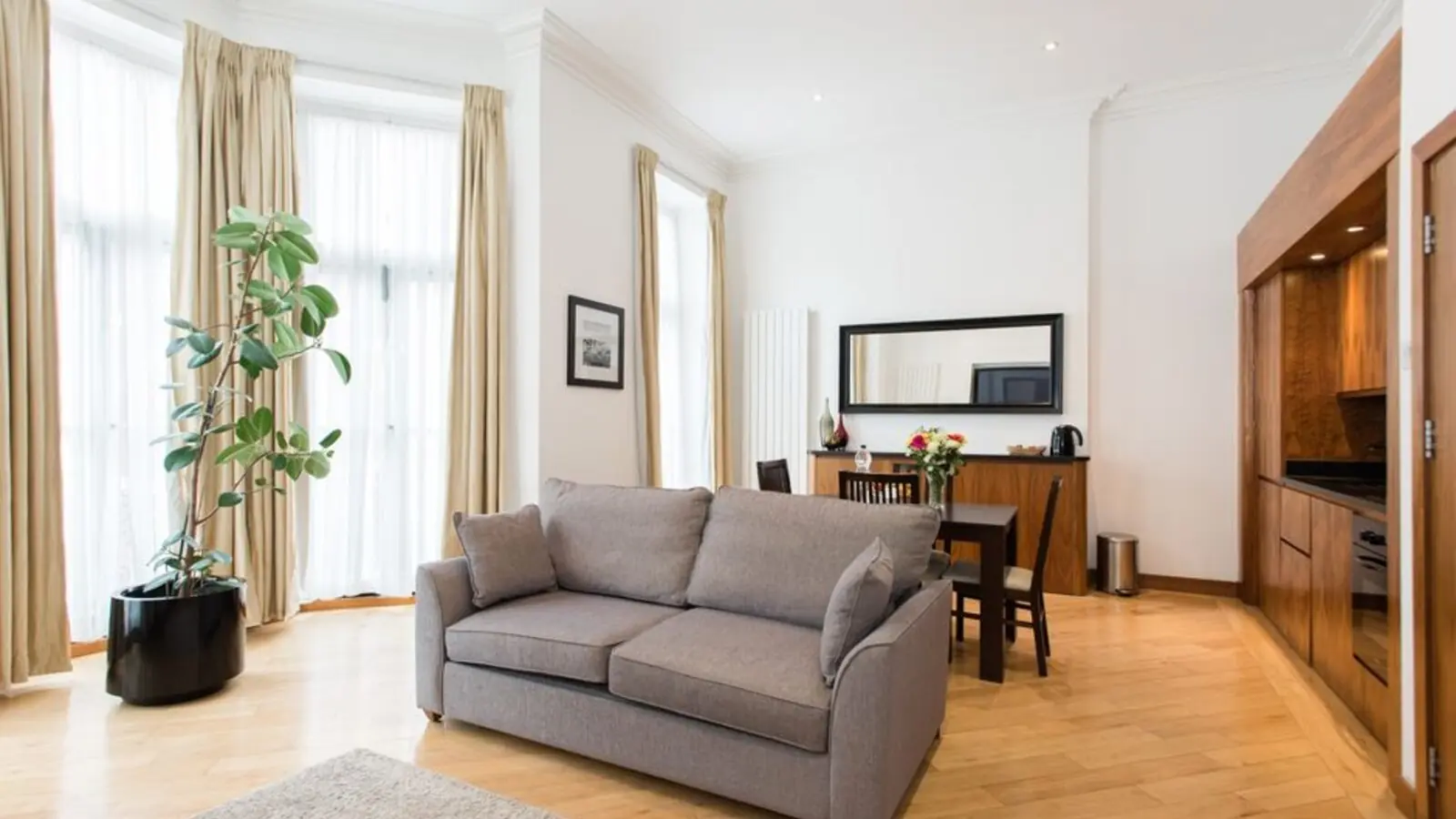
Rohini, New Delhi
Retail Shops, Food Court, Multiplex, Service Suites • Price on Request
Upcoming commercial hub in North Delhi
We'd love to hear from you. Fill in the form and our team will get back to you shortly.
Everything on this page is intended purely as a guide and creates no binding obligation. Details such as pricing, dimensions, and imagery can change without prior notice. Kindly cross-check all information before making a decision. About · Projects
Share your details and our expert will call you back.