19 km elevated line drives unprecedented rental demand, property appreciation along Hosur Road, Electronic City.
Enquire NowPrime Minister Narendra Modi inaugurated the 19-km-long 'Yellow Line' of the Namma Metro on August 10, 2025, connecting the city to Electronic City – one of India's largest technology and industrial clusters. The line is 19.15 km long, connecting Rashtreeya Vidyalaya Road with Bommasandra, and is fully elevated with 16 stations. For South Bangalore's real estate market, this infrastructure milestone marks a turning point in property valuations and tenant mobility.
When the Bangalore metro Yellow Line went live, it cut end-to-end travel between RV Road and Bommasandra from over 90 minutes in peak traffic to roughly 35 minutes by train. Transit-oriented development studies show households are more willing to live farther from the CBD when close to metro stations; recent Bangalore research finds the strongest positive impact on residential values within 200–500 metres of stations. Initially three driverless trains operate at 25-minute frequency from August 11, with frequency improving to 20 minutes after the fourth train arrives, with a goal of 10-minute intervals.
The Yellow Line is expected to most significantly benefit mid and upper-mid segment apartments (INR 5.0-15.0 million), as technology professionals drive demand for affordable, metro-accessible properties. Land and apartment prices along key junctions like Central Silk Board, HSR Layout surrounds, and Hosur Road have firmed up as the line neared launch and opened to the public. In the high-demand segment with ticket sizes ₹80 lakh to ₹1.5 cr, metro-adjacent neighbourhoods are among the fastest-appreciating in the city; the assurance of reduced travel time and better access to Electronic City workplaces has encouraged many first-time homebuyers and investors to enter the market.
Expected rental rate increase across the Yellow Line catchment in the first 12 months post-launch is 8-12% versus the broader Bangalore rental growth of 4-6%. Rental demand has intensified, with tenants actively seeking homes within 1-2km radius of stations – driving higher rental yields and reducing vacancy periods. As per November 2025 data, a 2 BHK in BTM Layout can fetch rents of up to Rs 56,000 per month, while premium gated communities in Electronic City list higher-end rental options. Once metro reduces effective commute time by 30-45%, corporate HR functions typically expand their "approved residential zone" to include catchment areas, representing a structural rather than cyclical demand shift.
Leading developers including Godrej, Sobha, Mahindra, and Signature have launched or expanded residential projects near metro stations. The Yellow Line's link to Green Line at RV Road and the upcoming Blue Line interchange at Central Silk Board make Electronic City more accessible; quicker commutes to employment zones have intensified investor interest, while rental demand from IT professionals has surged, positioning the tech hub as a long-term growth zone. Property values near Electronic City and Bommasandra stations are forecast to rise 6–8 percent over the next year.
For homebuyers evaluating the Hosur Road corridor, the Yellow Line represents more than transit convenience—it signals structural economic value through rental stability, corporate housing eligibility, and proximity to India's largest employment cluster. The rental-led demand cycle, combined with institutional interest, is expected to sustain appreciation momentum through 2026–27.
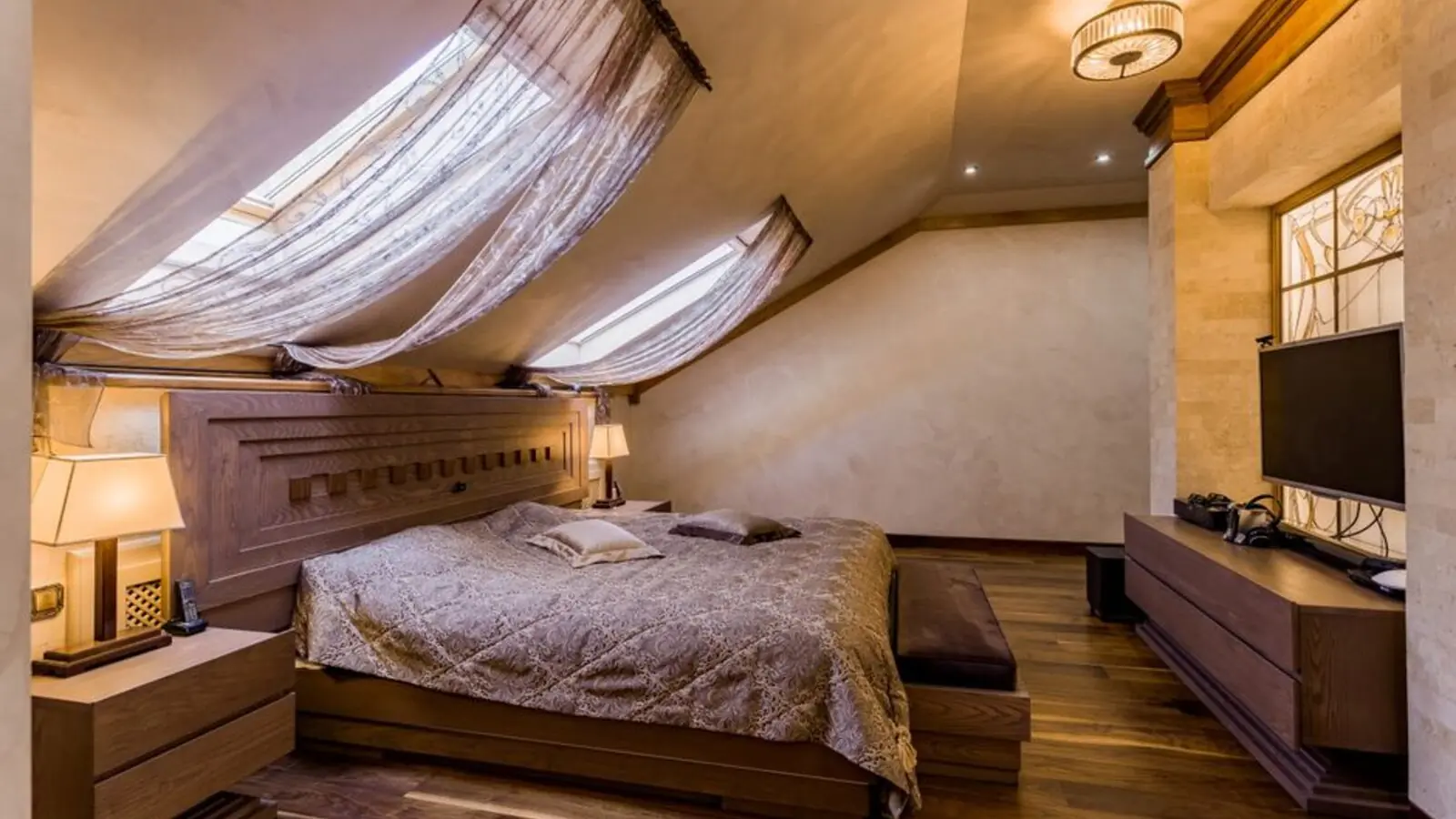
Mahadevapura, Bangalore
Grade A Office Spaces • Price on request
Large-format campus on Bangalore's ORR
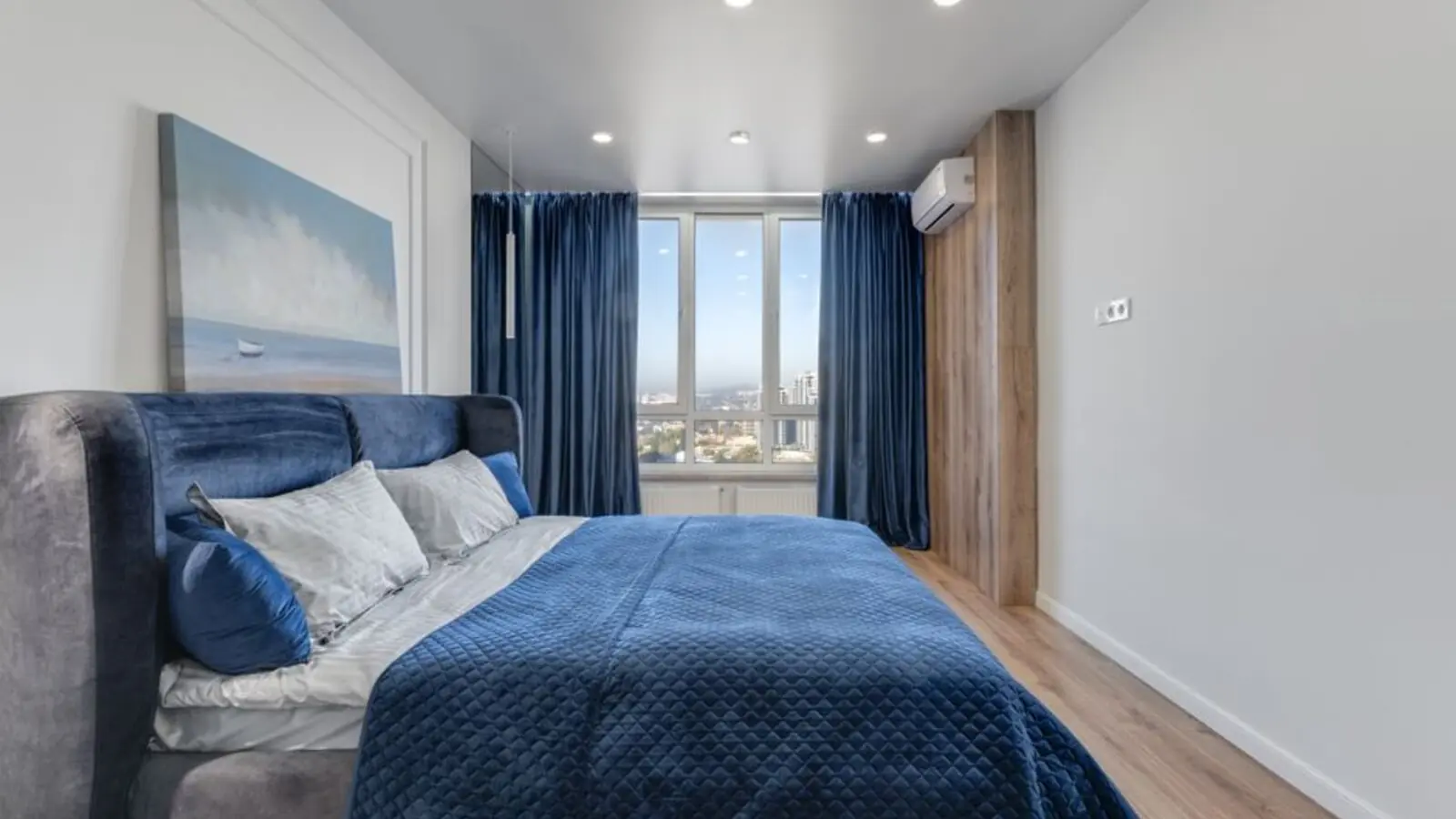
Manglia, AB Bypass Road, Indore
Plots, 3-4 BHK Villas • Rs 43.7 Lac onwards
192-acre integrated township
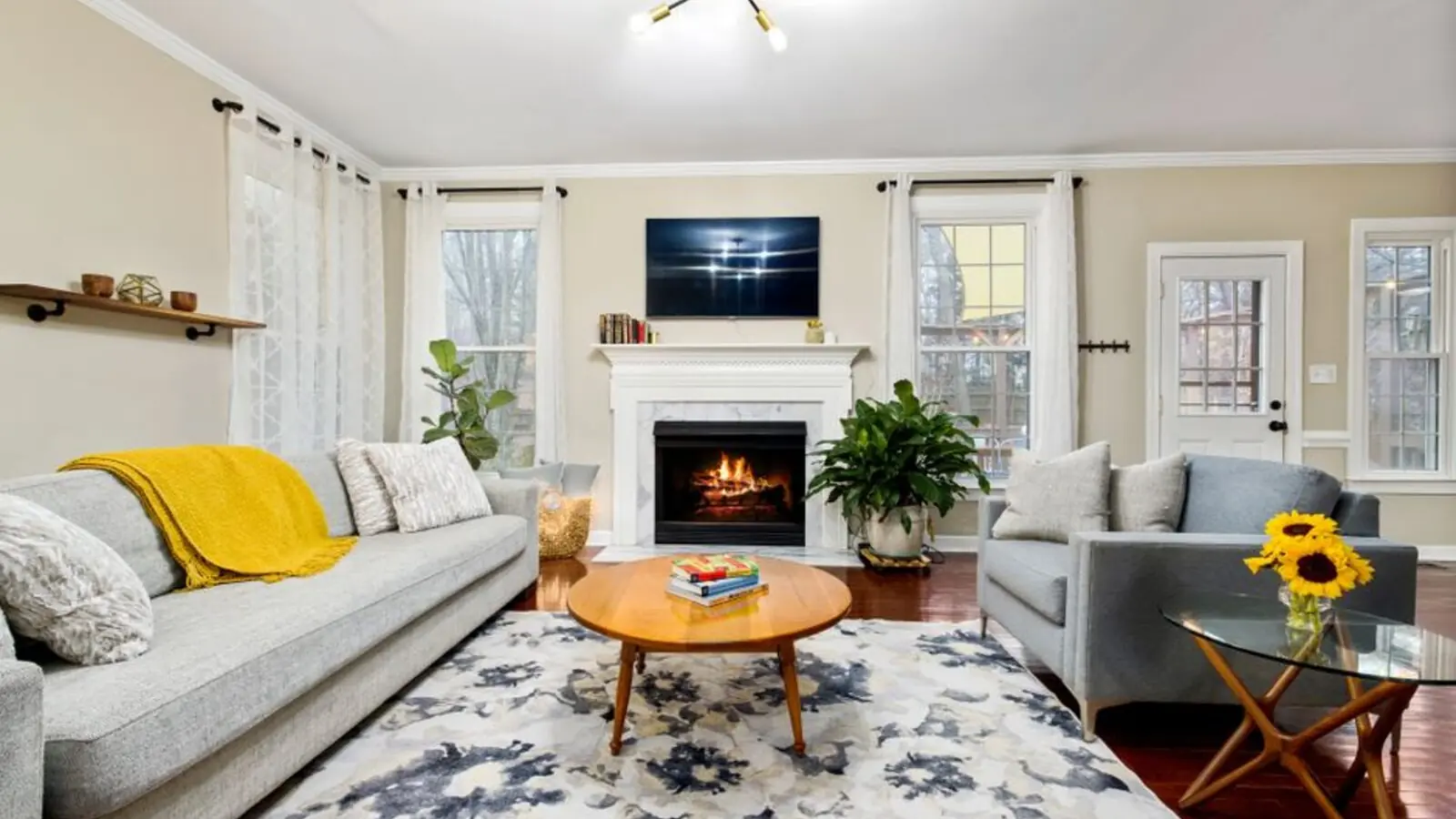
Sector 70A, Gurugram
2, 3, 4 BHK • Price on Request
Upcoming SPR corridor address
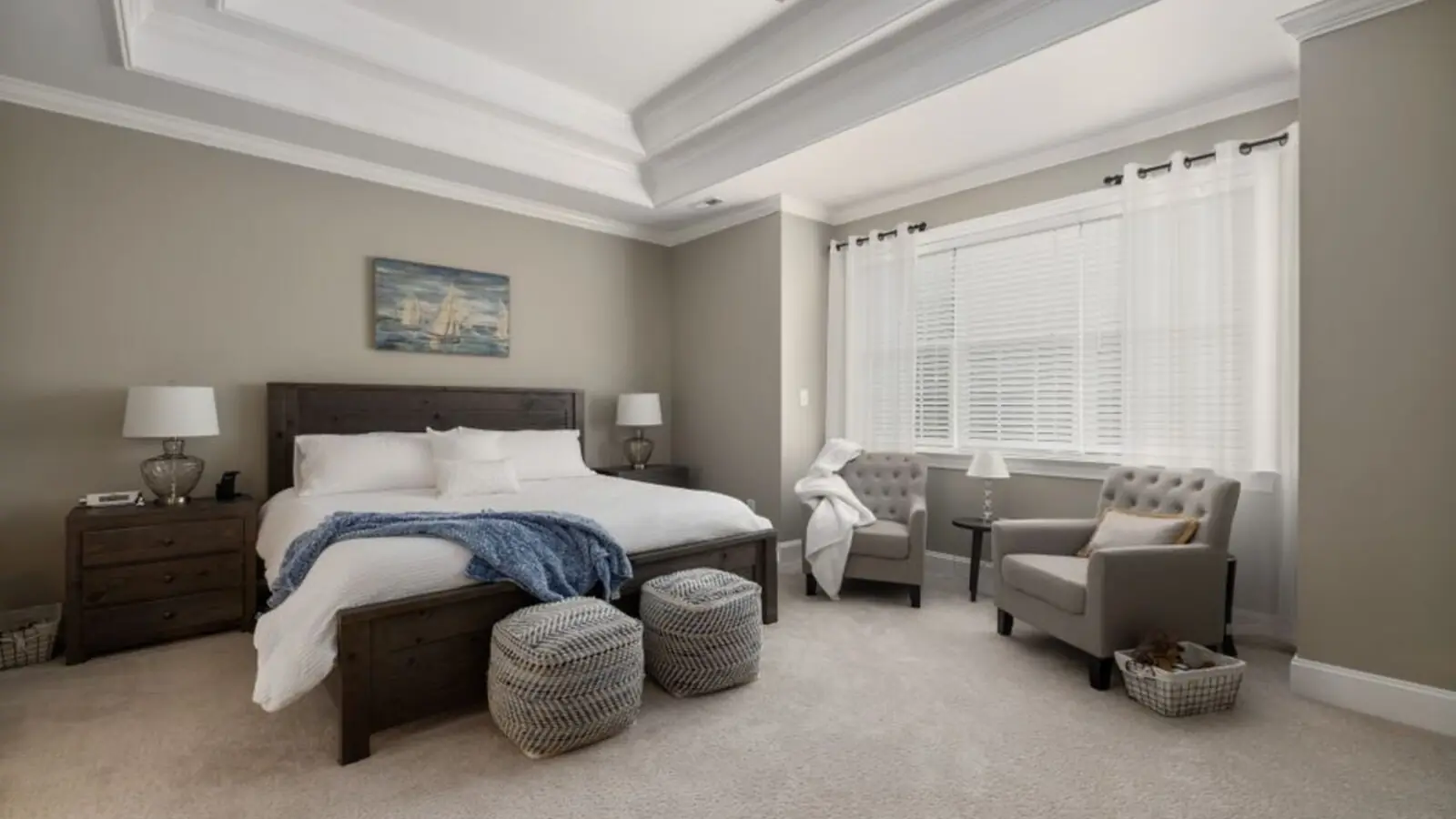
Sector 54, Gurugram
Retail Shops, Coworking Spaces • Price on Request
4.8 lakh sq ft retail & coworking plaza
Andheri West, Mumbai
3, 4 BHK • Price on Request
Next phase of DLF's sold-out Mumbai debut
Bandra Kurla Complex, Mumbai
3, 4 BHK + Retail/Office • Price on Request
Mixed-use address at BKC
Bidadi, Bangalore
2, 3, 4 BHK • Price on Request
Upcoming DLF homes on Mysore Road
Sector 42, Gurgaon
4, 5 BHK • Price on Request
Super-luxury successor to The Camellias
We'd love to hear from you. Fill in the form and our team will get back to you shortly.
Everything on this page is intended purely as a guide and creates no binding obligation. Details such as pricing, dimensions, and imagery can change without prior notice. Kindly cross-check all information before making a decision. About · Projects
Share your details and our expert will call you back.