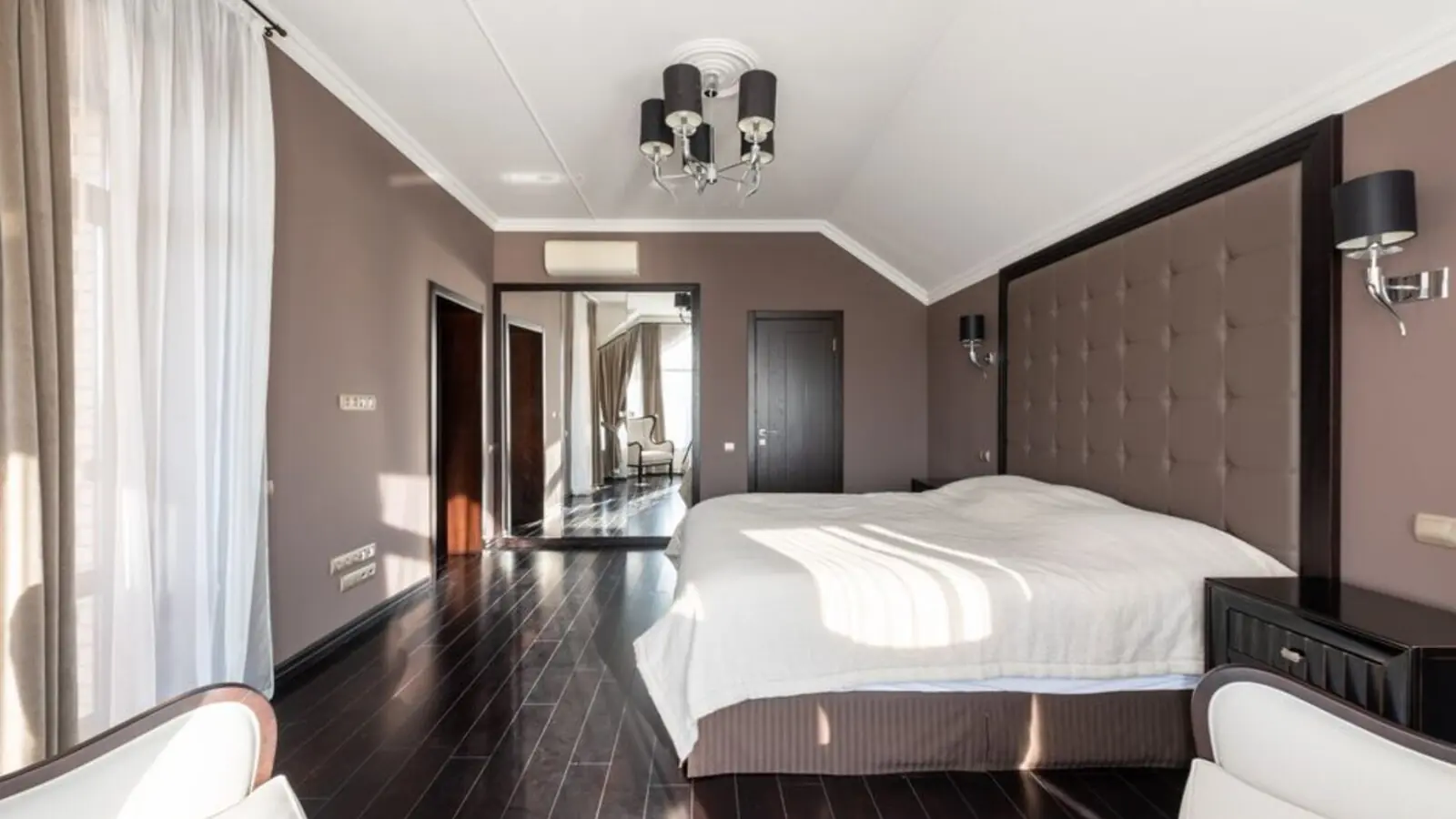
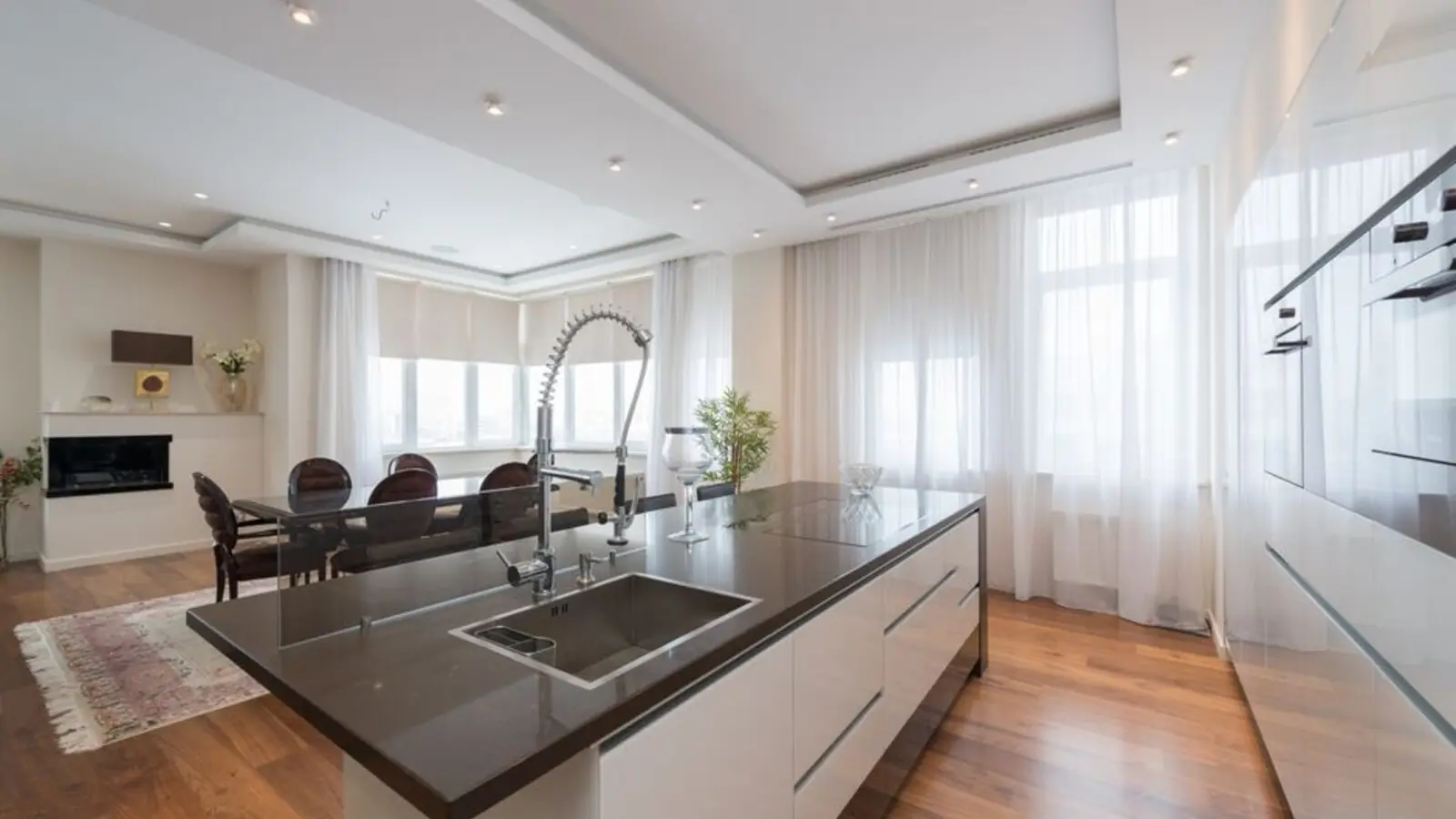
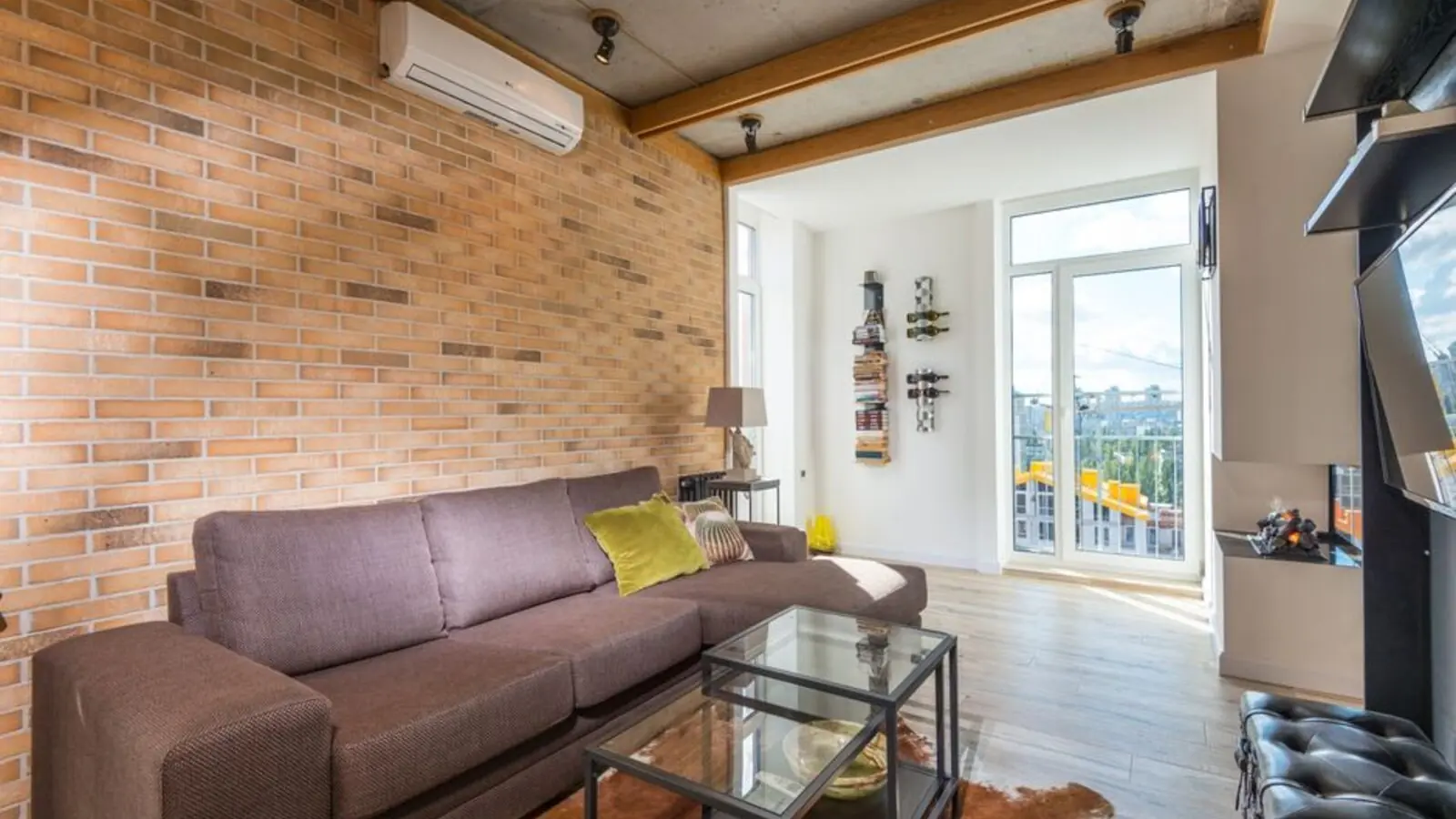
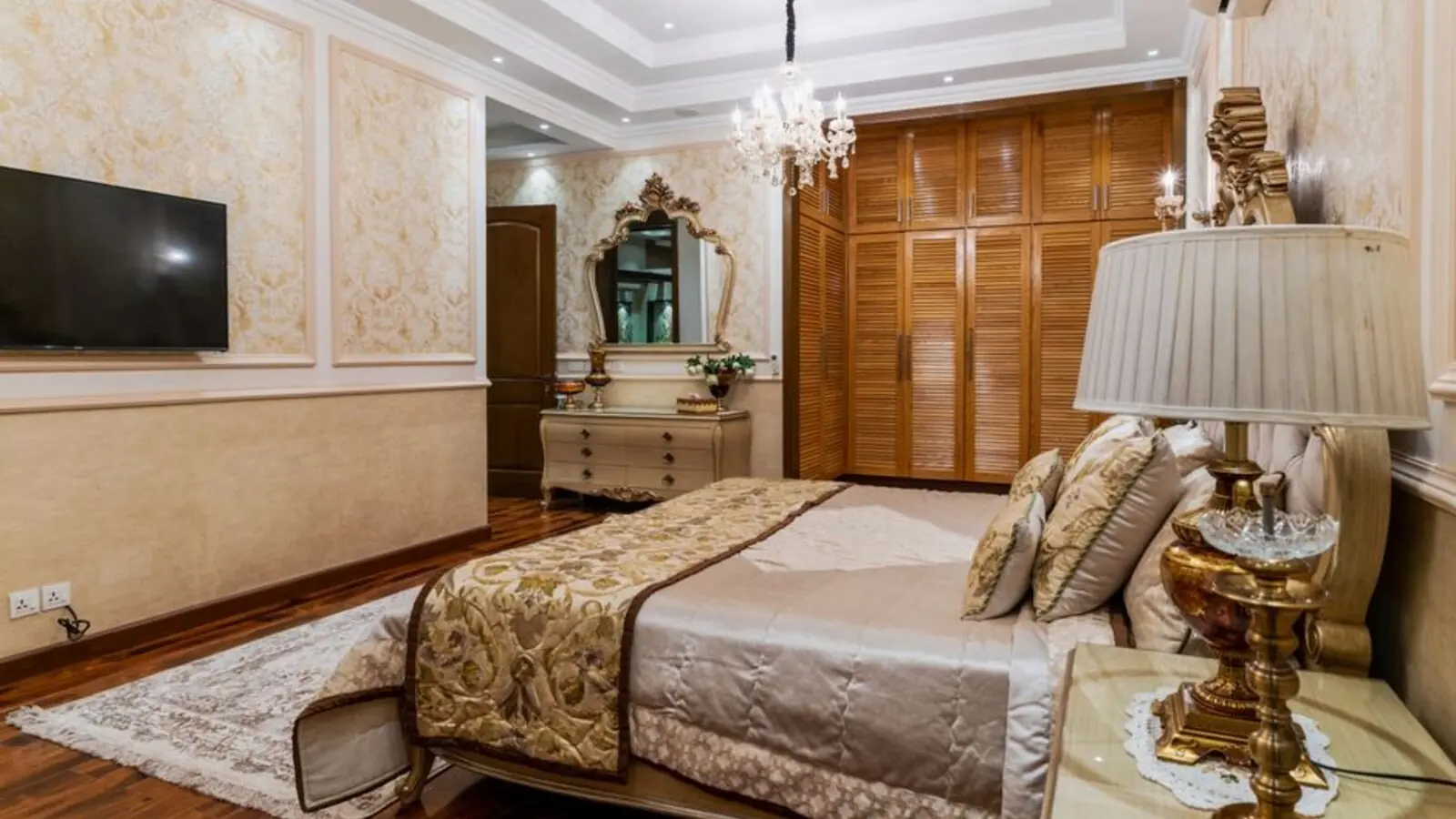
Iconic city-centre living, minutes from four metro lines and the airport.
Enquire NowWest Delhi has long been synonymous with independent houses, builder floors, and dense colonies like Rajouri Garden, Punjabi Bagh, and Janakpuri. That character is changing fast. West Delhi, an area traditionally known for independent houses and low-rise builder floors, is seeing a shift toward high-rise residential projects, a trend highlighted by developments like DLF One Midtown in Moti Nagar. This vertical shift is not a stylistic choice but a response to a real land constraint in the city core.
These projects typically combine residential towers with retail and lifestyle infrastructure, marking a departure from the standalone property model that has long defined the region, reflecting a strategic response by developers to land scarcity in established urban centers. Rather than pushing buyers to satellite cities, this format lets West Delhi hold on to its long-time residents while offering them a genuinely modern living experience. By building vertically, developers are able to unlock higher value from limited land parcels without requiring residents to move to peripheral locations like Gurugram or Noida.
Demand-wise, the broader West Delhi micro-market is active across price bands. In 2026, the market is active, especially in West Delhi, with areas like Uttam Nagar, Dwarka Mor, and Nawada no longer just budget options but becoming serious choices for home buyers. At the premium end, companies like DLF are increasingly focusing on luxury and integrated formats to cater to affluent buyers who historically looked to satellite cities for such living standards, now brought within central Delhi to capture a premium segment less sensitive to minor price fluctuations but highly selective about project quality and developer track record.
For homebuyers and investors alike, West Delhi today offers a rare combination: established social infrastructure, decades-old market ecosystems, and a fresh wave of Grade-A residential and retail development anchored around micro-markets like Moti Nagar and Kirti Nagar.
Property rates across West Delhi vary sharply by micro-market, ranging from affordable pockets in the outer belt to premium addresses like Moti Nagar. Uttam Nagar, Tilak Nagar, Mahavir Enclave, and Mohan Garden have average property rates of around Rs 8,000 per sq ft, while Janakpuri, Paschim Vihar, Vikas Puri, and Rajouri Garden cater to mid-segment buyers between Rs 8,000 per sq ft and Rs 11,000 per sq ft. With housing units starting around Rs 11,000 per sq ft, Moti Nagar and Naraina Vihar are counted among premium areas in West Delhi. New-generation towers command a further premium over resale stock in the same corridor, given upgraded specifications and amenities.
Uttam Nagar, Tilak Nagar, Mohan Garden
Janakpuri, Paschim Vihar, Vikas Puri
Rajouri Garden
Moti Nagar & Naraina Vihar (Premium)
DLF One Midtown, Moti Nagar (New Launch)
From established mid-segment colonies to the emerging high-rise core around Moti Nagar, these are the West Delhi localities drawing the most buyer and investor interest right now.
West Delhi's new high-rise core, home to DLF One Midtown and DLF Capital Greens, with direct access to Moti Nagar Metro Station on the Blue Line.
Adjoining Moti Nagar with metro interchange access, known for its furniture market and growing residential redevelopment.
A mature, high-street commercial and residential hub with strong metro connectivity and established social infrastructure.
One of West Delhi's largest planned colonies, popular for its wide roads, parks, and proximity to the Dwarka corridor.
A leafy, well-planned residential locality favoured by families for its schools, hospitals, and metro access.
An upscale locality known for independent houses and builder floors, home to DLF Shivaji Park.
A dense residential pocket offering relatively affordable entry points with good market and transit access.
Connectivity is West Delhi's biggest asset. The Moti Nagar-Kirti Nagar belt sits at the junction of multiple metro corridors, giving residents direct access across the capital without depending on a single line. Mobility around Delhi-NCR is aided by Moti Nagar Metro Station on the Blue Line, while a new Delhi-Meerut RRTS corridor would further improve connectivity, with Ring Road and Najafgarh Road ensuring easy driving. Arterial roads link the area quickly to Connaught Place, the New Delhi Railway Station, and the Indira Gandhi International Airport. Looking ahead, city-wide upgrades will further strengthen West Delhi's position. Over six metro lines are planned under Phase 4 of the Delhi Metro, and the upcoming Urban Extension Road 2 will improve connectivity between North-West Delhi, Gurgaon, and the airport. Combined with the operational Dwarka Expressway easing travel toward Gurugram on NH-48, West Delhi is increasingly positioned as a well-connected, self-sufficient residential core rather than a peripheral extension of the city.
We'd love to hear from you. Fill in the form and our team will get back to you shortly.
Everything on this page is intended purely as a guide and creates no binding obligation. Details such as pricing, dimensions, and imagery can change without prior notice. Kindly cross-check all information before making a decision. About · Projects