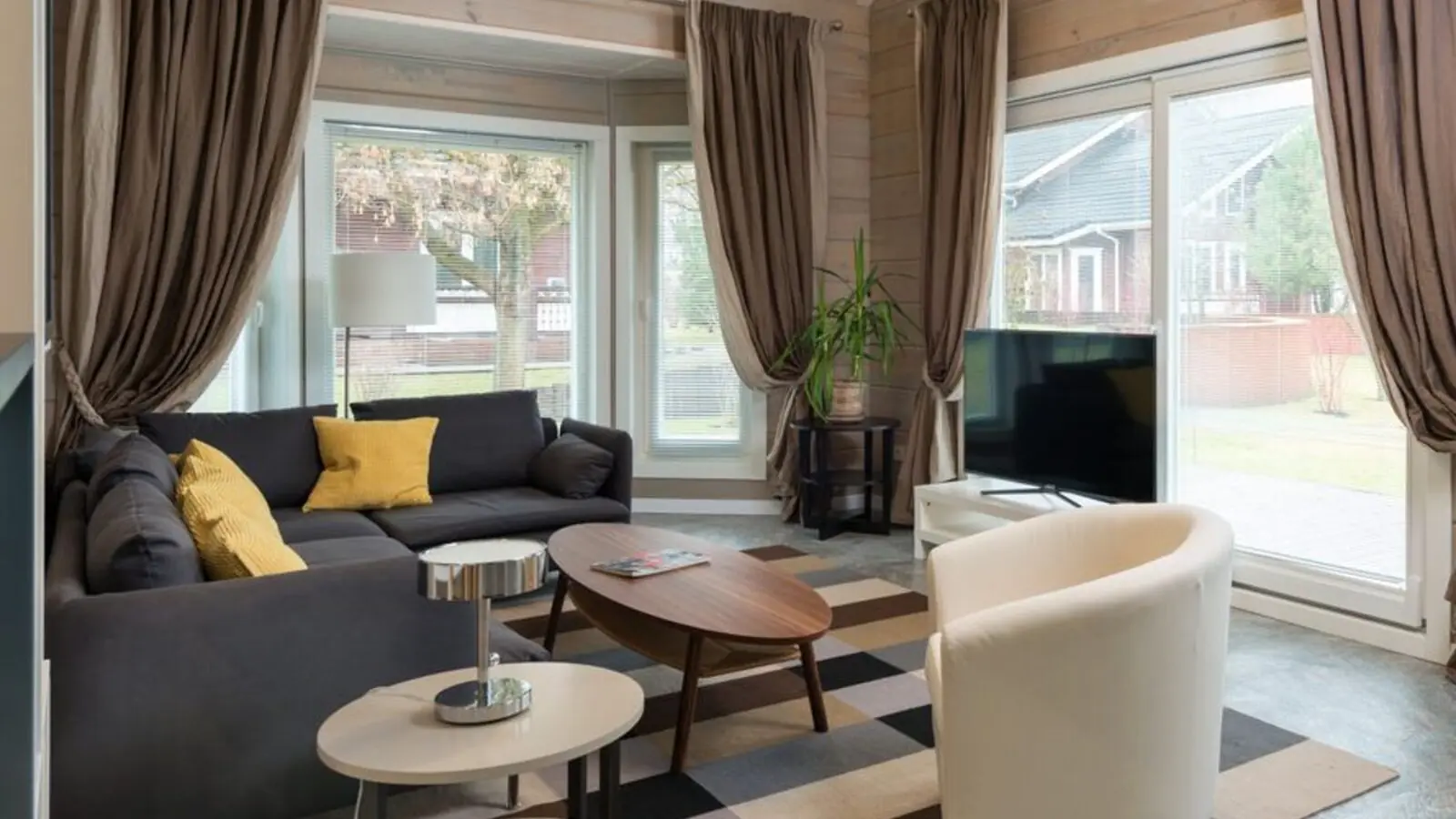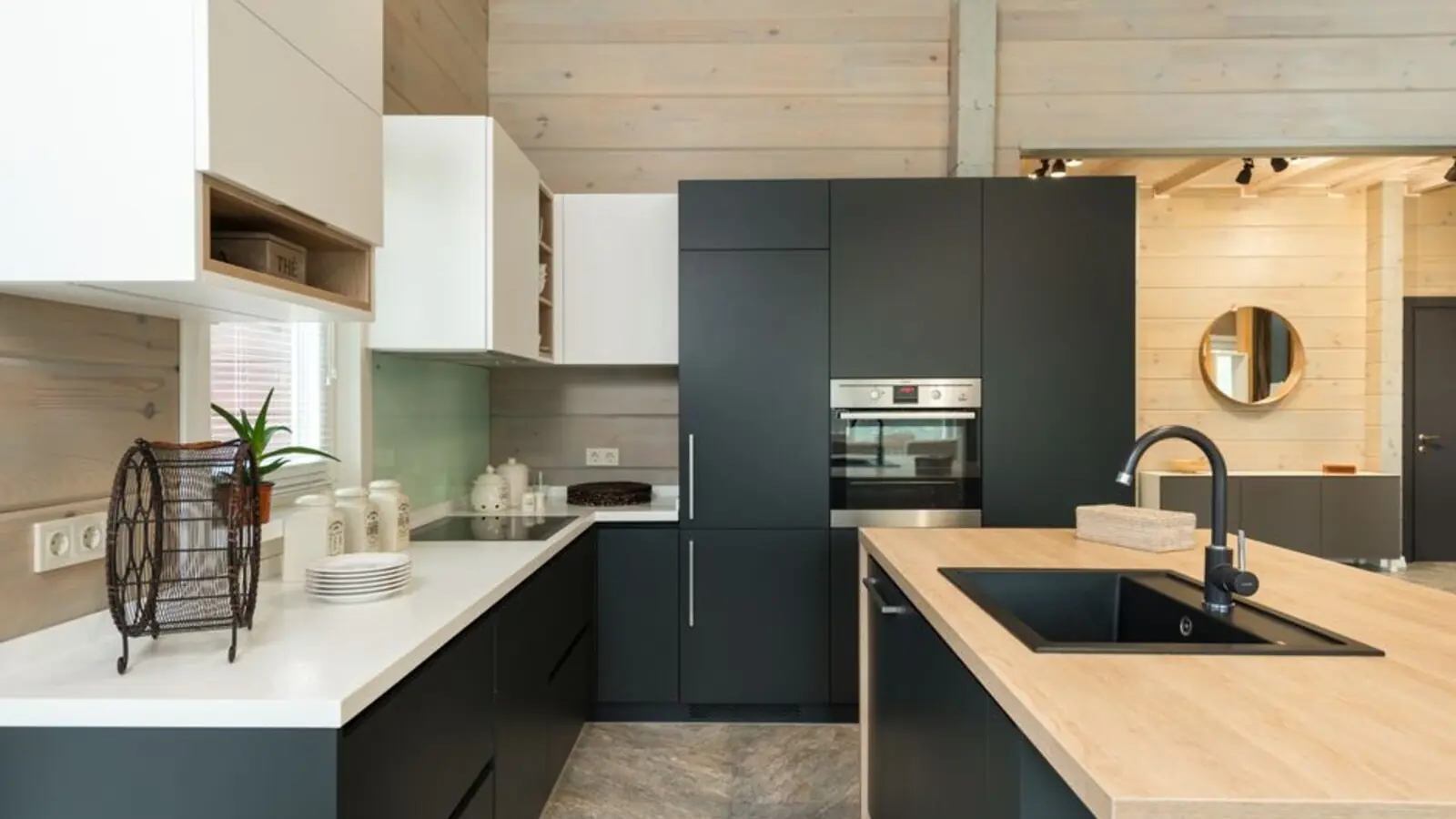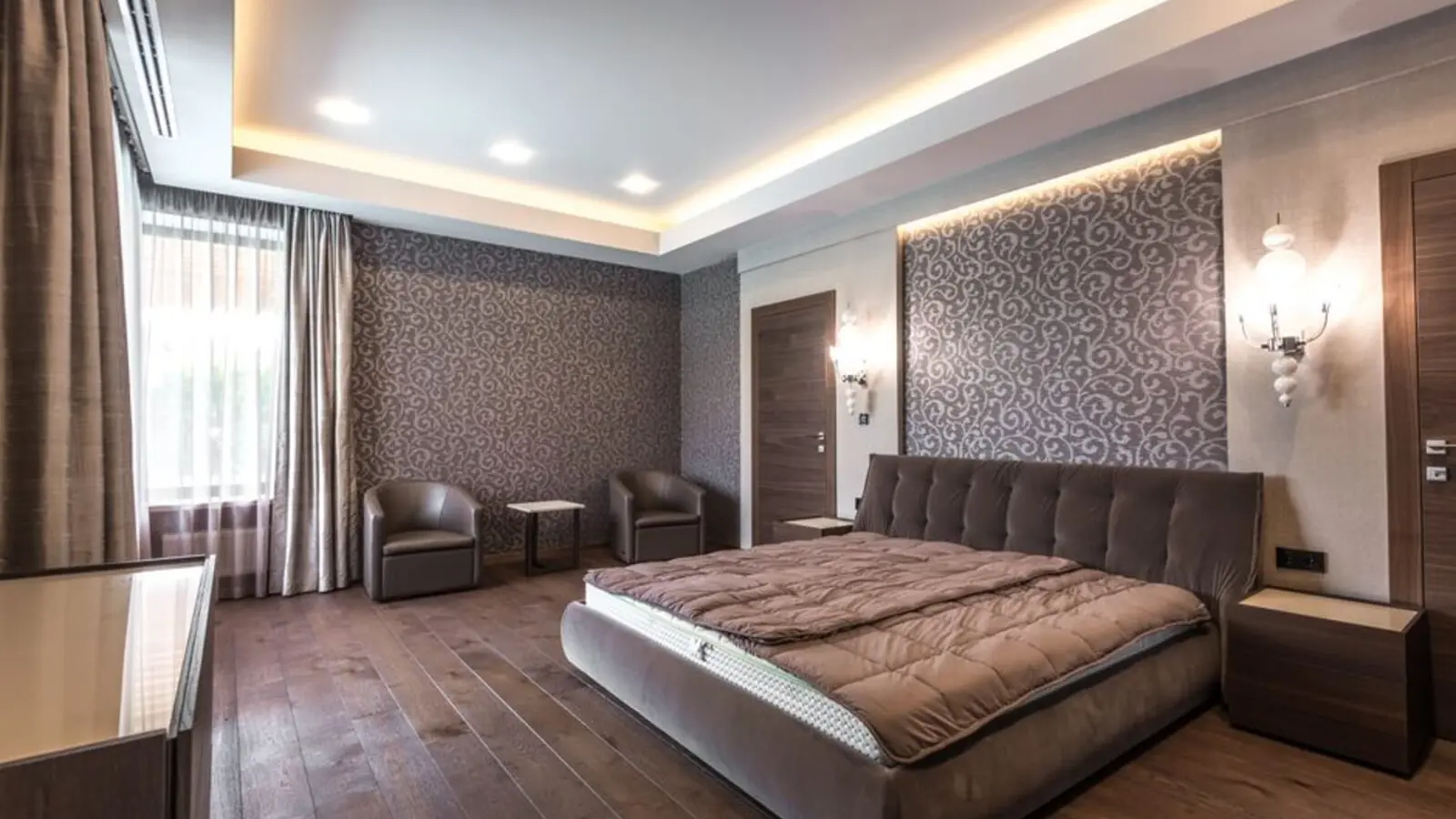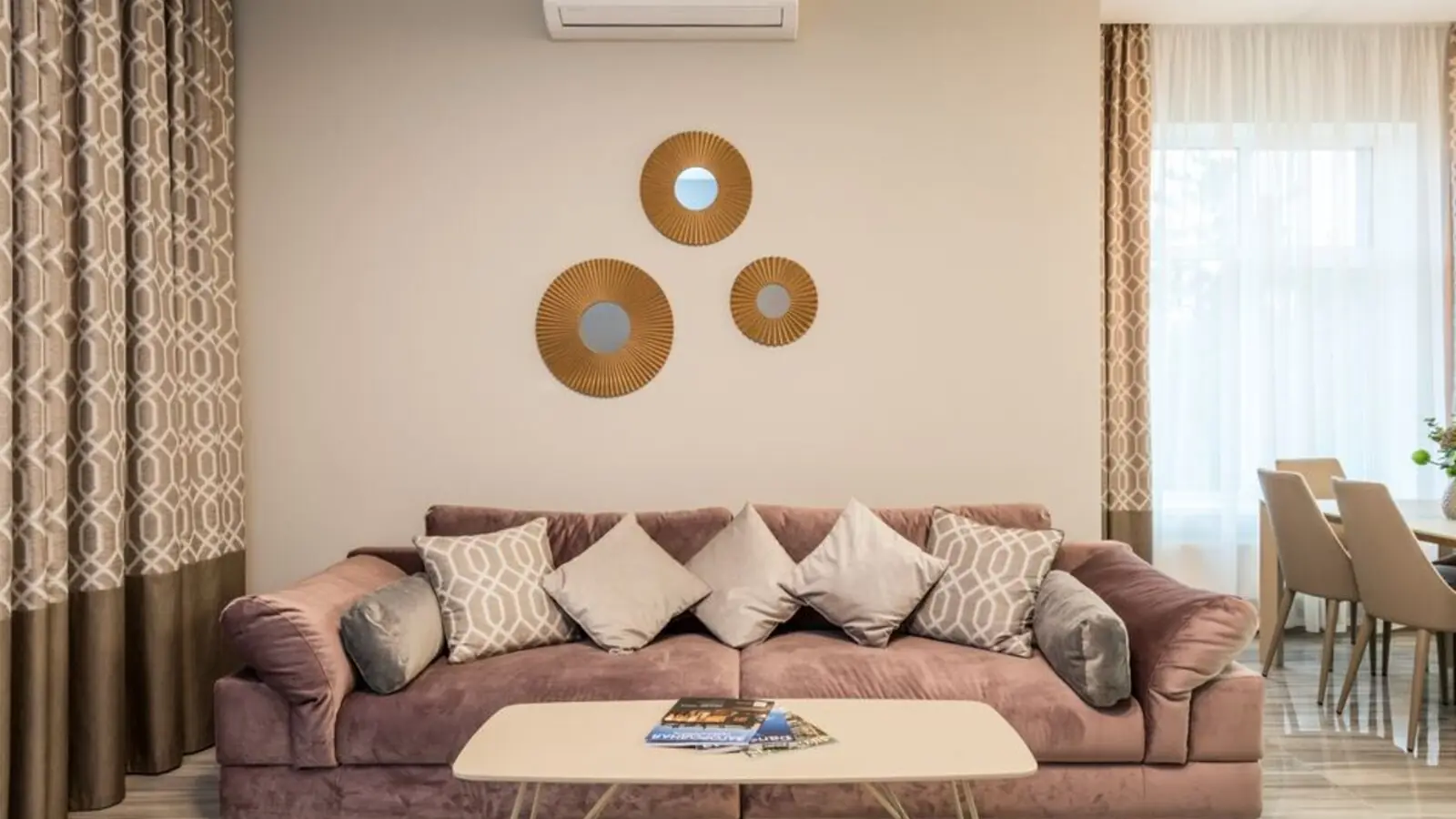
India's most trusted developer brings luxury living to Andheri West, Mumbai.
Enquire NowMumbai has long been India's most stratified and closely watched property market, and 2026 is proving to be one of its strongest years yet. Mumbai's property market enters H2 2026 on the back of 14-yr registration highs, with continued moderate appreciation of 4–7% on an annualised basis across most Mumbai micro-markets in H2 2026. The March 2026 figure of 15,516 units is the highest monthly registration tally in the past 14 years, and April and May confirmed this was not a seasonal spike, with the consistent volume above 12,000 units per month demonstrating that Mumbai's residential demand is structural.
This demand is being matched by a fresh wave of supply. Mumbai achieved a record 19,775 residential unit launches in Q1 2026, reflecting robust 25% q-o-q and 7% y-o-y growth, with the mid-segment dominating new supply at 48%, alongside healthy shares for high-end and luxury housing at 27%. Capital values surged to INR 27,009 per sq. ft., appreciating 10% q-o-q and 32% y-o-y, underscoring just how quickly the city's premium micro-markets are re-rating.
It's against this backdrop that DLF, long synonymous with Gurugram's skyline, has chosen to make its Mumbai debut. DLF Limited, the country's largest realty firm, is making a grand entry into the city's residential segment with the launch of DLF The Westpark, an ultra-luxury housing project in Andheri West, with a proposed investment of approximately ₹2,500 crore. While DLF has long dominated the luxury space in the NCR, this is the brand's first premium residential foray into Mumbai, a city that has long awaited the arrival of India's most trusted luxury real estate developer.
For buyers and investors, the timing aligns with a broader shift in sentiment. There's no credible case for a broad price correction in 2026, as demand from end-users, consistent registration volumes, and a constrained supply environment, especially in the inner western suburbs, point to continued appreciation. A globally recognised name entering one of the country's tightest luxury micro-markets gives homebuyers a new benchmark of trust and design quality to weigh their options against.
Mumbai's pricing is famously micro-market driven, where a single flyover can separate vastly different price bands. Here's how key corridors stack up in 2026.
Mumbai Average Capital Value (Q1 2026)
Central Mumbai Affordable - Sangharsh Nagar, Tagore Nagar
Central Mumbai Mid-Income - Ghatkopar, Mulund West
Central Mumbai High-End - Powai, Sion
South Mumbai Premium - Malabar Hill, Marine Drive, Cuffe Parade
Southwest Mumbai - Vakola, Santacruz, Kalina
From established western suburbs to emerging Navi Mumbai corridors, here are the micro-markets driving Mumbai's residential story in 2026.
DLF's chosen entry point into Mumbai, prized for its connectivity trifecta. Andheri West continues to be one of the most sought-after locations in Mumbai due to its connectivity trifecta of rail, road, and metro, with Metro Line 2A fully operational and Metro Line 7 & 7A enhancing east-west and airport connectivity.
Bandra and Andheri (W) sustain luxury pricing due to lifestyle appeal and rental demand, making Bandra one of the city's most enduring premium addresses.
Powai emerged as the most active submarket for commercial leasing, a trend that continues to fuel residential demand from IT and BFSI professionals working nearby.
Premium micro-markets like Worli, Bandra, and South Mumbai may outperform the city average if luxury demand remains robust, aided further by the Coastal Road's improved access.
Bandra Kurla Complex and Kala Nagar are mid-segment areas offering residential options up to Rs 42,000 per sq ft, backed by BKC's status as Mumbai's premier financial district.
Thane benefits from a self-sufficient urban ecosystem that sustains long-term demand, offering relatively accessible entry points compared to island-city Mumbai.
MTHL and Navi Mumbai Airport are driving massive long-term appreciation in Ulwe and Panvel, positioning this corridor as the city's next growth frontier.
Mumbai is in the middle of its most ambitious infrastructure build-out in decades, and it's reshaping how the city moves and where value is created. The Navi Mumbai International Airport, developed under a Public-Private Partnership at a cost of approximately ₹19,650 crore, is India's largest Greenfield airport project and the second international airport for the Mumbai Metropolitan Region. Phase 2B of Mumbai Metro Line-3, connecting Acharya Atre Chowk to Cuffe Parade, means the entire Aqua Line, spanning 33.5 km with 27 stations, is now dedicated to the nation, serving around 13 lakh passengers daily. Closer to Andheri, connectivity has also seen a major leap. The Mumbai Trans Harbour Link (Atal Setu) has successfully integrated with the new airport's arterial roads via Ulwe, dropping travel time from South Mumbai to the heart of Navi Mumbai to 40 minutes. For residents of DLF The Westpark specifically, Link Road is approximately 500 m away, S.V. Road is about 1 km, Western Express Highway is roughly 5 km, and both Oshiwara and DN Nagar Metro Stations are within 1-2 km, making the location one of the best-connected micro-markets on the western suburban belt.
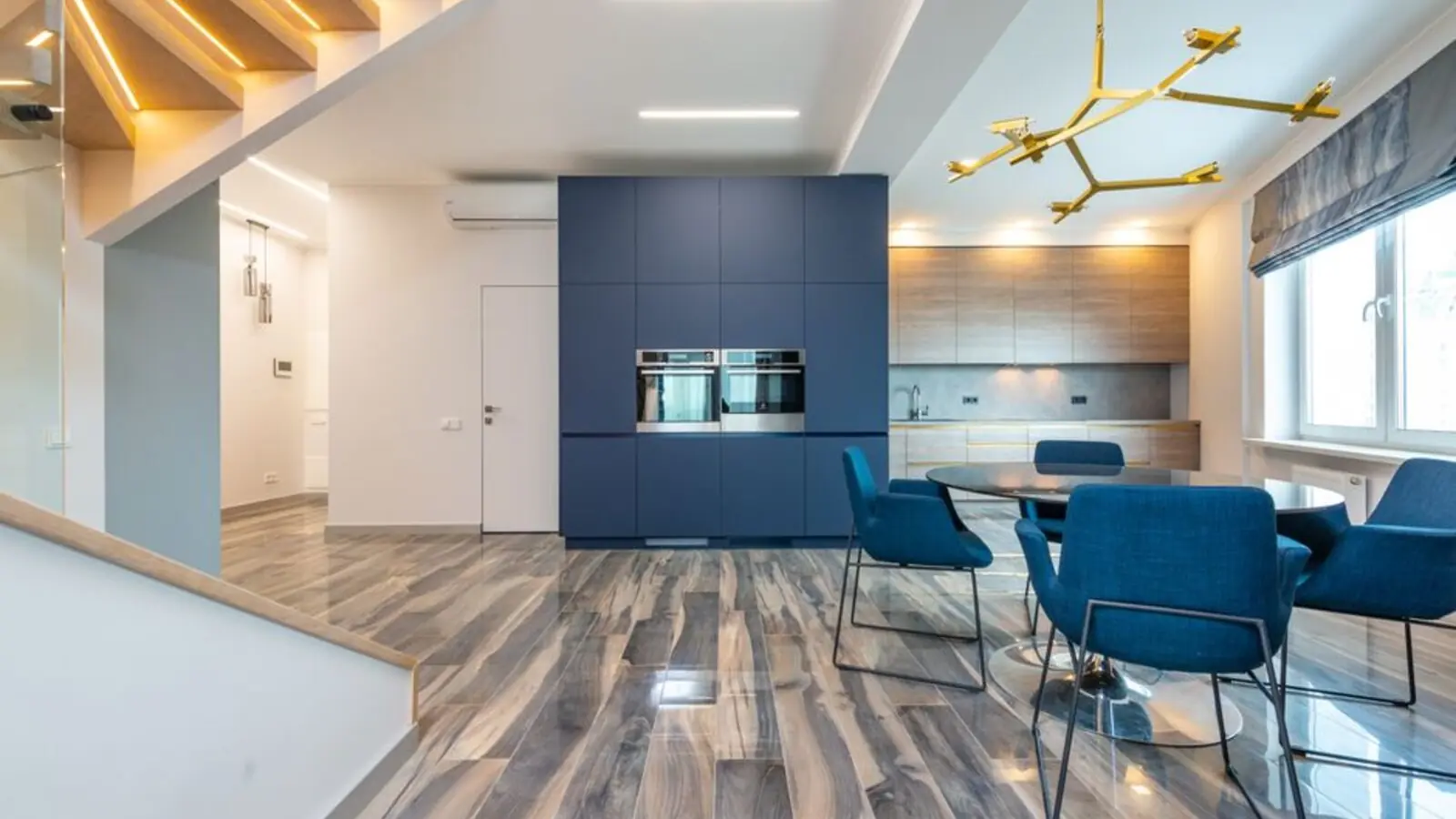
Andheri West, Mumbai
3, 4 BHK • Price on Request
Next phase of DLF's sold-out Mumbai debut
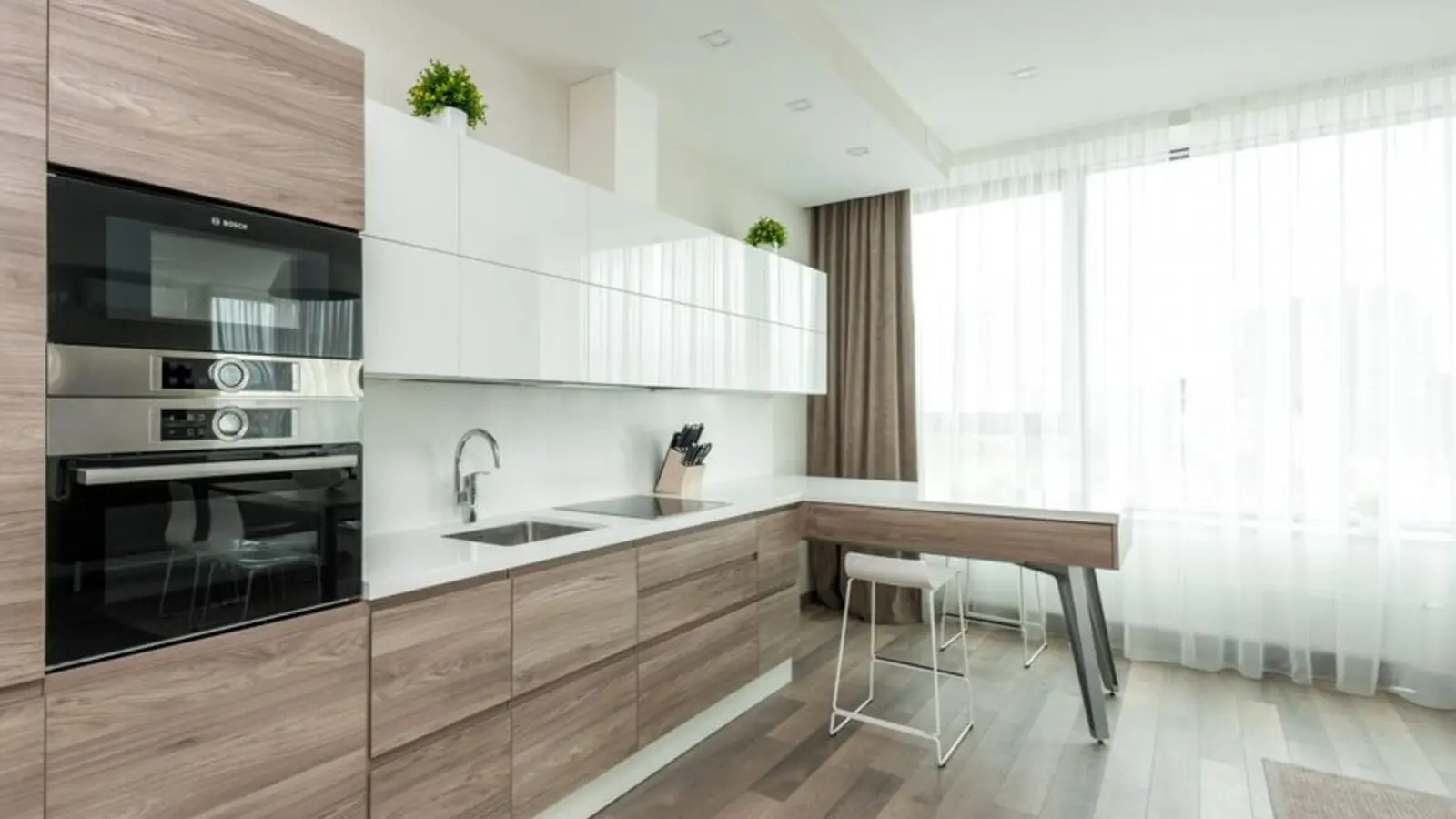
Bandra Kurla Complex, Mumbai
3, 4 BHK + Retail/Office • Price on Request
Mixed-use address at BKC
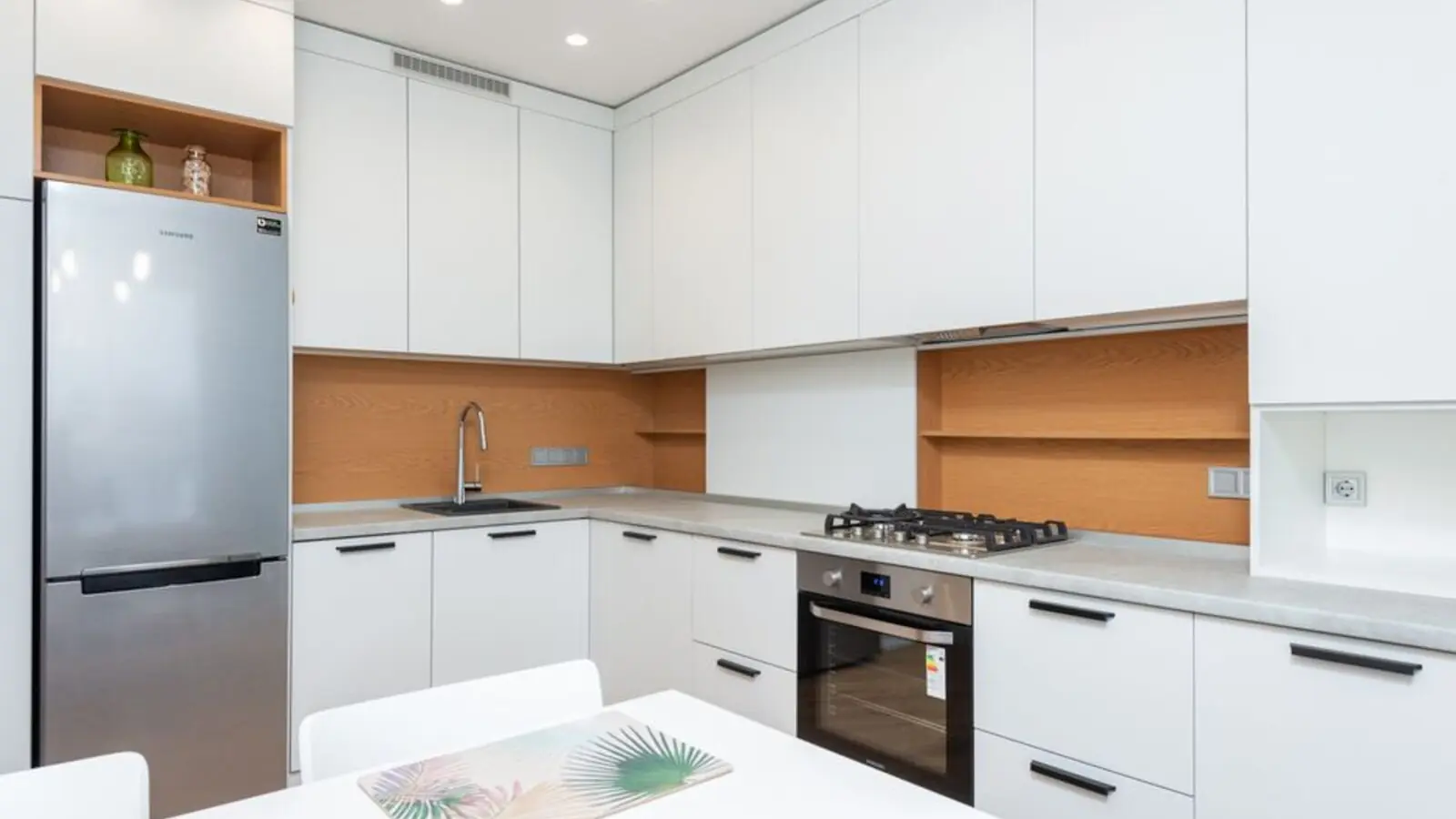
Mahalaxmi, Mumbai
2, 3 BHK • Price on Request
New DLF address in South Mumbai's racecourse belt
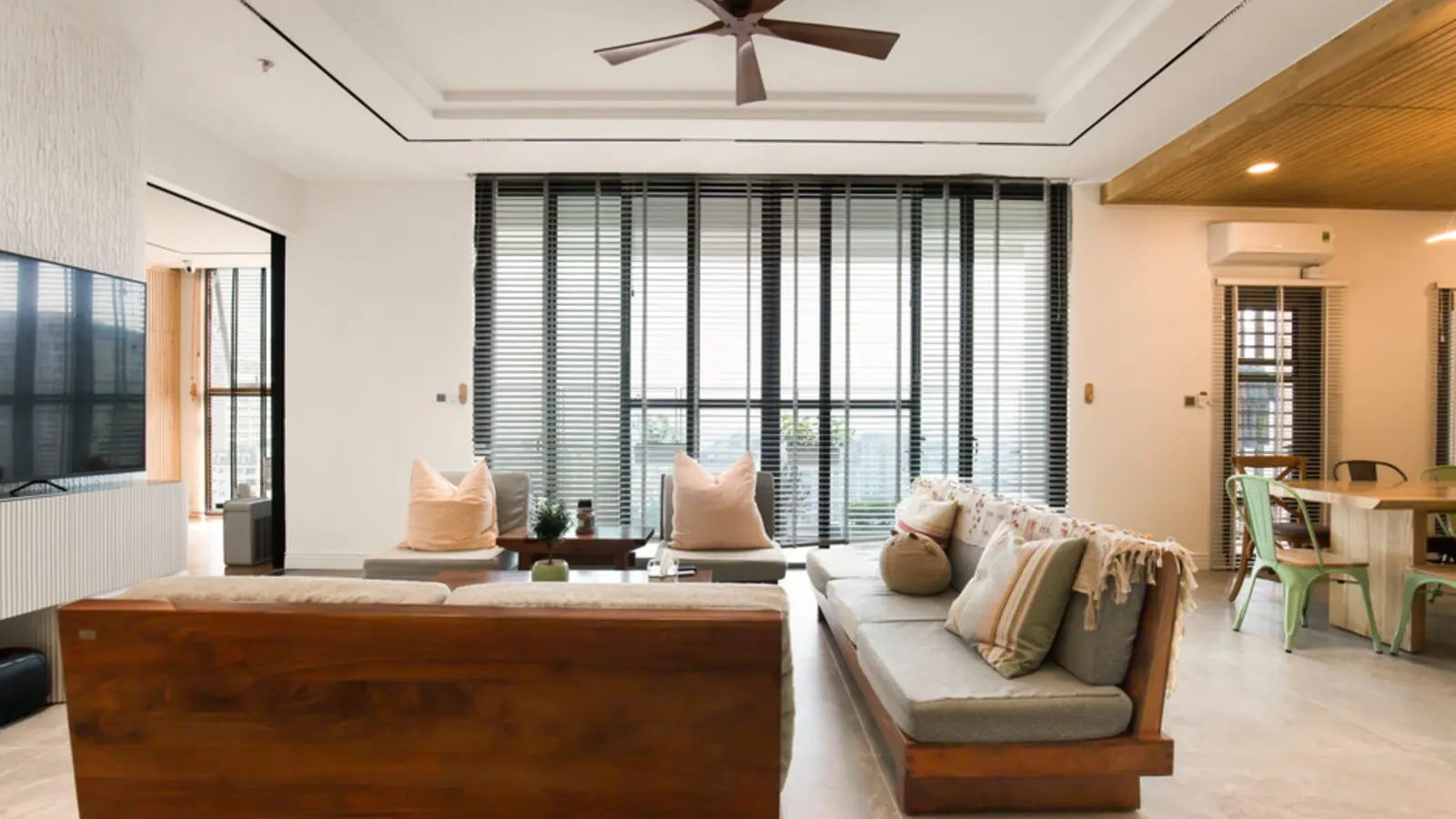
Lower Parel, Mumbai
2, 3 BHK • Price on Request
Luxury high-rise living in central Mumbai
We'd love to hear from you. Fill in the form and our team will get back to you shortly.
Everything on this page is intended purely as a guide and creates no binding obligation. Details such as pricing, dimensions, and imagery can change without prior notice. Kindly cross-check all information before making a decision. About · Projects
Share your details and our expert will call you back.